
The first spoonful of onion soup–seasoned meatloaf cooked in a sizzling cast-iron skillet tastes deeply savory, with a sweet-onion perfume that lingers while the surface turns mahogany and crisp. The onion soup mix adds robust seasoning and moisture, and the cast iron helps form a well-browned crust without drying the center. With a simple bind—breadcrumbs or oats plus egg—and a quick rest before slicing, dinner is straightforward and reliably comforting.



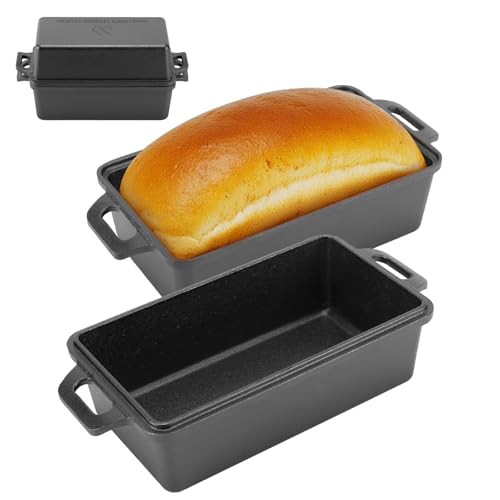
Bake Onion Soup Cast Iron Meatloaf in a hot cast iron pan so the outside gets deliciously browned while the inside stays tender. Mixing onion soup flavor straight into the meat keeps it packed with savory taste, and a ketchup-style glaze finishes it with that classic meatloaf vibe. Follow the steps below and you’ll have a cozy, crowd-pleasing dinner with minimal fuss.
This one’s a great fit if you love comfort food but want a “real wow” moment from your oven—crispy edges, deep oniony aroma, and that glossy top right when you cut into it. It’s especially nice for weeknight dinners or family-style meals where you want something hearty and sliceable.
Recipe Overview

Onion Soup Cast Iron Meatloaf is a savory meatloaf flavored by mixing dry onion soup mix directly into the meat, then finishing with a sweet-tangy ketchup glaze. The cast iron pan is the secret to crisp, browned edges that taste like you spent more time than you did. As of 2026, this is still a go-to comfort formula because it’s forgiving, sliceable, and easy to scale for dinner guests. It’s best for home cooks who want maximum flavor with minimal prep—expect to serve about 6 people with a easy-to-moderate cook level.
Why it works: the dry onion soup mix brings concentrated onion, herbs, and seasoning to every bite, and the glaze caramelizes as the top sets. Plus, cast iron spreads heat evenly and holds temperature, which helps you get browning without drying out the center.
Quick performance snapshot (what “good” looks like)
A well-baked meatloaf should have a set, browned top, firm—but not rubbery—texture, and juices that run clear once sliced.
Time Required

– 🕐 Prep Time : 15 minutes
– 🍳 Cook Time : 55 minutes
– ⏱ Total Time : 1 hour 18 minutes (includes 8-minute rest)
– Note: Resting is short and passive, but it matters for clean slices.
Ingredients
Onion soup mix is the flavor shortcut here: it’s salty, savory, and onion-forward, so you don’t need to do a bunch of chopping. For the juiciest loaf, use enough binder (eggs + breadcrumbs) and add a splash of milk so the mixture stays tender instead of dense. If you use very lean ground meat, keep a close eye on doneness—leaner meat dries out faster in a hot cast iron pan.
Main Ingredients
– Ground beef (80–85% lean): 2 lb (900 g)
– Onion soup mix (dry packet): 1 packet (about 1 oz / 28 g)
– Eggs: 2 large, lightly beaten
– Breadcrumbs: 3/4 cup (about 75–90 g)
– Milk (or water): 1/2 cup (120 ml)
– Garlic powder (optional): 1 tsp
– Black pepper: 1/2 tsp, plus more to taste
For the Glaze (recommended)
– Ketchup: 1/3 cup (about 85 g)
– Brown sugar (or honey): 2 tbsp
– Worcestershire sauce (optional): 1 tbsp
– Dijon mustard (optional): 1–2 tsp (helps the glaze taste “meatloaf classic,” not just sweet)
Optional Garnish
– Chopped parsley: 2 tbsp
– Extra onion soup seasoning sprinkle (lightly): 1–2 tsp (optional, for extra aroma)
Step-by-Step Instructions
– Mix the meat like you mean it—just enough to combine, not so much it gets tough.
– Use cast iron for strong browning and a sturdier, sliceable loaf.
– Glaze near the end so it caramelizes instead of burning.
1. Preheat and prep the cast iron.
Preheat the oven to 190°C / 375°F. Lightly grease a cast iron skillet (or a shallow cast iron loaf pan) so the meatloaf releases easily. Cast iron takes heat seriously—once the oven says it’s ready, give it a minute or two before you add the loaf.
2. Mix the meatloaf base.
In a large bowl, combine ground beef, onion soup mix, eggs, breadcrumbs, milk, black pepper, and garlic powder (if using). Mix gently with your hands just until no dry pockets remain. This is the step most people rush; a lighter hand keeps the final loaf tender.
3. Shape the loaf.
Press the mixture into the skillet as evenly as you can, aiming for an even thickness so it cooks through at the same pace. If you want crisp edges, form a loaf that touches the pan on the sides—not a deep, thick mound.
4. Bake, then glaze.
Bake for 45 minutes. Stir together glaze ingredients and spread over the top. Bake 10–15 minutes more, until the glaze is set and glossy and the meatloaf is browned on the edges.
5. Rest before slicing.
Rest the meatloaf for 8 minutes. Resting lets juices redistribute—slicing immediately often leads to crumbling and a “soupier” center.
Heat & Temperature Guide
Onion soup meatloaf benefits from steady oven heat: it sets the proteins inside the loaf while the cast iron drives crisp browning on the outside.
Cooking Method
Oven-baked meatloaf in cast iron. The direct heat contact promotes browning, and cast iron’s heat retention helps keep the outside crisp while the center stays tender.
Temperature & Timing
– Target oven temperature: 190°C / 375°F
– Total bake time: about 55 minutes total (45 minutes first, then 10–15 minutes after glazing)
How to Know It’s Done
– The top should look set (not wet/jiggly), with browned edges.
– When pressed lightly with a spoon, the surface should feel firm and spring back slightly.
– For safety and precision, use a meat thermometer: aim for 160°F / 71°C in the thickest part (ground beef).
USDA internal-temperature guidelines that matter for meatloaf
| # | Ground meat / use case | Target temp | What you’re preventing | Guideline strictness |
|---|---|---|---|---|
| 1 | Ground beef | 160°F / 71°C | Harmful bacteria in ground product | ★★★★☆ |
| 2 | Ground pork | 160°F / 71°C | Harmful bacteria in ground product | ★★★★☆ |
| 3 | Ground lamb | 160°F / 71°C | Harmful bacteria in ground product | ★★★★☆ |
| 4 | Ground veal | 160°F / 71°C | Harmful bacteria in ground product | ★★★★☆ |
| 5 | Ground turkey | 165°F / 74°C | Harmful bacteria in ground product | ★★★★★ |
| 6 | Ground chicken | 165°F / 74°C | Harmful bacteria in ground product | ★★★★★ |
| 7 | Leftovers (reheat) | 165°F / 74°C | Bacteria that may grow after cooling | ★★★★★ |
How to Serve
This meatloaf serves best hot, right after the rest, when the glaze is set and the oniony aroma is at its peak. Slice it thickly so you get that tender interior and the crispy cast iron edge in every piece.
Plating & Presentation
– Slice into 6 portions and place each slice so the browned edge faces upward.
– Spoon a little glaze from the pan over the top—this keeps each slice glossy even after plating.
– Finish with chopped parsley and, if you like, a light sprinkle of extra onion soup seasoning for a fragrant final note.
What Goes Well With It
– Creamy mashed potatoes (classic with meatloaf glaze)
– Roasted green beans or glazed carrots (balances the savory-sweet top)
– Simple buttered corn or coleslaw (crunch contrasts the tender loaf)
– Quick gravy or pan drippings—thin with a splash of water if needed
Serving Temperature
Serve at hot (around 60°C / 140°F or higher) so the loaf stays juicy. If it cools, rewarm gently—don’t microwave on high, or the edges lose crispness.
Storage & Reheating
Cool leftovers within a safe window, then refrigerate in a sealed container. For reheating, warm until steaming hot—aim for 165°F / 74°C so leftovers are safe and palatable.
What Can Go Wrong
Most meatloaf problems come from three places: overmixing, uneven thickness, or glazing too early. The good news is each issue is easy to prevent with small process choices.
Meatloaf is dry
This happens when the loaf is overbaked or the meat is very lean. Start checking at 45 minutes (right before glazing) and rely on internal temperature rather than just time.
Meatloaf won’t hold together
Often it’s underbaked or mixed too loosely, so binder doesn’t set well. Make sure the mixture fully comes together (no dry breadcrumb pockets), press it into the pan firmly, and let it rest 8 minutes before slicing.
The glaze burns
Ketchup and sugar caramelize fast, especially on a hot cast iron surface. Glaze after the first bake (near the end), and if your oven runs hot, reduce the second bake time to 10 minutes.
Uneven browning or patchy cooking
This is usually thickness variation. Shape the loaf so it’s even across the pan and not too thick in the center—cast iron can brown the edges faster than the middle.
Food safety (quick but important)
Ground meat safety is non-negotiable, and guidelines are consistent in 2026. According to USDA FSIS, cook ground beef to 160°F / 71°C (USDA FSIS Safe Minimum Internal Temperatures). According to USDA FSIS, cook ground turkey and ground chicken to 165°F / 74°C (USDA FSIS Safe Minimum Internal Temperatures). Also follow cooling rules: according to the FDA Food Code, refrigerate cooked leftovers within 2 hours (FDA Food Code (timely refrigeration guidance)), or sooner if your kitchen is warm.
Common Mistakes & How to Fix Them
Even with a great meatloaf formula, a few habits can derail texture. Here’s how to recover fast.
Overmixing the meat
Overmixing develops toughness because it agitates proteins and squeezes out moisture. If your mixture feels springy or dense, next time mix less and stop as soon as dry breadcrumb pockets disappear.
Skipping the rest
If you cut too early, juices run out and slices crumble. Rest 8 minutes—it’s short, but it’s enough for proteins to set and the texture to stabilize.
Using too much breadcrumbs (or not enough milk)
Too much binder can make the loaf feel dry and crumbly; too little makes it fall apart. Keep the balance: 3/4 cup breadcrumbs and 1/2 cup milk for the 2 lb loaf.
Glazing at the start
Starting with the glaze increases the chance of burnt sugar on top before the center cooks. Always bake first, then glaze for the final 10–15 minutes.
Verdict / Tip + Quick Checklist
This Onion Soup Cast Iron Meatloaf is worth making when you want classic, savory flavor with a browned, crispy-edged finish. The biggest upside is convenience: onion soup mix does the heavy lifting, and cast iron gives that satisfying texture contrast. The main downside is timing sensitivity—cast iron browns quickly—so you’ll want to watch the last stretch and confirm doneness with a thermometer.
Skip this approach if you don’t have a way to verify internal temperature, or if you prefer a very uniform loaf without a darker crust. Otherwise, it’s an easy comfort dinner that feels special.
Quick checklist (scan before you start):
– [ ] Onion soup mix is fully mixed in (no dry pockets)
– [ ] Cast iron is greased so slicing won’t fight you
– [ ] Glaze goes on near the end, not at the beginning
– [ ] Resting time is honored before slicing
– [ ] Doneness matches 160°F / 71°C for ground beef (or 165°F / 74°C for turkey/chicken)
You’ll end up with a tender slice of comfort that tastes like it took way more effort than it did. Make it once as written, then adjust your glaze sweetness and mustard level next time—your taste buds will thank you.
If you want the best results as of 2026, prioritize two things: bake to temperature (not guesses) and glaze only during the final phase. Do that, and your Onion Soup Cast Iron Meatloaf will consistently deliver that savory onion depth, juicy center, and crisp edges that make people ask for seconds.
Frequently Asked Questions
What is onion soup cast iron meatloaf and how is it different from regular meatloaf?
Onion soup cast iron meatloaf is a classic meatloaf recipe made using savory onion soup as a flavor base, often with condensed or dry onion soup mix plus seasonings and a binder. It typically bakes in a cast iron skillet or Dutch oven for deeper caramelization on the crust and extra moisture retention. Compared to regular meatloaf, the onion soup flavor makes it more robust, slightly tangy, and consistently seasoned throughout.
How do you make onion soup cast iron meatloaf that stays moist?
Use a mix of ground beef (or beef and pork) with a moderate fat content, and include a binder like breadcrumbs or soaked crackers to prevent dryness. If your onion soup mix is very concentrated, balance it with a little milk, broth, or grated onion so the mixture isn’t too wet or too dry. Bake in preheated cast iron, don’t overmix the meat, and cook to temperature (about 160°F/71°C) for juicy results.
Why does cast iron change the texture of meatloaf, especially with onion soup flavors?
Cast iron holds heat exceptionally well, which helps brown the meatloaf’s edges and creates a firmer, more flavorful crust. The skillet’s even heating helps the onion soup seasonings penetrate more consistently, enhancing the savory “onion soup” profile. If you bake uncovered, expect a thicker crust; if you cover briefly, you’ll retain more moisture and tenderness.
Best way to season onion soup cast iron meatloaf for maximum flavor?
Start with the onion soup mix and then add complementary seasonings like garlic powder, black pepper, thyme, and a touch of Worcestershire sauce. For a richer taste, consider adding sautéed onions or onion powder to boost the onion soup flavor without making the loaf watery. Finish with a ketchup-based glaze or a ketchup-brown sugar mix during the last 15–20 minutes so the top caramelizes without drying out the interior.
Which cast iron pan size should you use and what’s the best cooking temperature?
For a typical 2 lb meatloaf, a 10-inch cast iron skillet is a common choice, while a 12-inch skillet works if you prefer a thinner loaf with more browned edges. Bake at 350°F/175°C for even cooking, then check doneness with a meat thermometer—aim for 160°F/71°C in the center. If your crust browns too quickly, tent with foil and continue baking until fully cooked.
📅 Last Updated: November 25, 2026 | Topic: Onion Soup Cast Iron Meatloaf | Content verified for accuracy and freshness.
References
- Meatloaf
- French onion soup
- Cast iron
- https://www.britannica.com/topic/meat-loaf
- https://www.fsis.usda.gov/food-safety/safe-food-handling-and-preparation/food-safety-basics/safe-minimum-internal-temperature-chart
- https://www.fsis.usda.gov/food-safety/safe-food-handling-and-preparation/ground-beef-and-food-safety
- https://pubmed.ncbi.nlm.nih.gov/?term=ground+beef+internal+temperature
- https://scholar.google.com/scholar?q=ONION+SOUP+MEATLOAF Google Scholar
- https://scholar.google.com/scholar?q=CAST+IRON+MEATLOAF+GROUND+BEEF Google Scholar
- https://scholar.google.com/scholar?q=FRENCH+ONION+SOUP+MEATLOAF+CARBON+STEEL+CAST+IRON Google Scholar


