
Slice into this hidden-veggie smoked meatloaf and you will see a tender ribbon of finely chopped vegetables studded through the center, while a smoky, savory aroma clings to the crust. The quick flavor comes from a smoke-friendly glaze and a meat mixture that stays juicy, even with the extra moisture from the veggies. With the right bake time and a simple internal temperature check, you can make it confidently without guesswork.


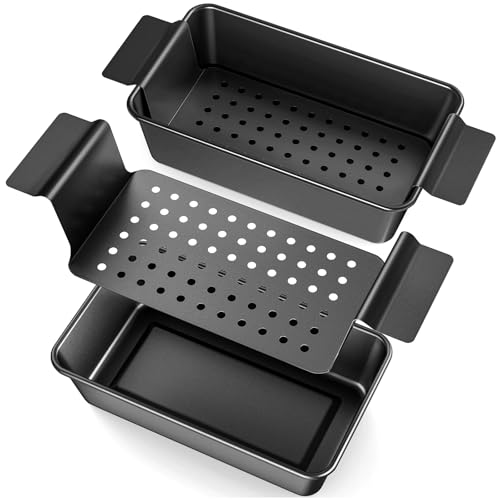

If you want a smoky meatloaf that stays juicy and still tastes “classic,” the trick is moisture control: finely grate and sauté your veggies first so they melt into the loaf instead of watering it down. Then you smoke low and slow until the center hits a safe, juicy internal temperature (71°C / 160°F), and you glaze only near the end so the sugars don’t burn.
Recipe Overview

This Hidden Veggie Smoked Meatloaf delivers classic smoky meatloaf flavor with extra vegetables blended so well that most people won’t notice. It’s a go-to for picky eaters and busy weeknights because it slices cleanly, reheats well, and feels like real comfort food even when you’re cooking on a backyard smoker. As of 2026, more home cooks are using “critical control point” thinking (similar to HACCP principles) for food safety and texture—so you’ll get both dependable doneness and a tender bite when you follow the moisture steps.
One quick note from the kitchen: the single most important texture factor is how dry your sautéed veggies are before mixing.
Time Required

– 🕐 Prep Time : ~20 minutes (plus cooling time for veggies)
– 🍳 Cook Time : ~2 1/2–3 hours
– ⏱ Total Time : ~3–3 1/2 hours (includes a 10–15 minute rest for cleaner slicing)
Passive time note: veggies need time to cool to room temperature (about 10–15 minutes) so they don’t steam the meat mixture.
Ingredients
This meatloaf is built on a strong binder and smoke-friendly seasoning. Use finely grated zucchini plus sautéed aromatics to drive off excess water, and rely on eggs + breadcrumbs to keep the loaf sliceable. Smoked paprika brings a bold smoke-like note even before the smoker does its work—so you get balanced flavor without tasting “spicy powder.” If you want a smoother “hidden” blend, chop or grate smaller than you think you need.
Main Ingredients
– 2 lb ground beef (or 1 lb beef + 1 lb ground pork, for extra richness)
– 1 cup finely grated zucchini (squeezed lightly after grating)
– 1/2 cup finely diced onion
– 1/2 cup finely grated carrot
– 8 oz mushrooms, finely chopped (optional but great for “hidden” texture)
– 1 cup breadcrumbs (plain or Italian-style)
– 2 eggs
– 2–3 cloves garlic, minced
– 2 tsp smoked paprika
– 1 1/2 tsp salt (plus more to taste)
– 1 tsp black pepper
Glaze (quick and classic)
– 1/2 cup ketchup
– 2 tbsp brown sugar
– 1 tbsp apple cider vinegar (or lemon juice)
– 1 tsp Worcestershire sauce (optional)
– 1/2 tsp mustard (optional)
Optional Garnish
– Chopped parsley or green onion (for a fresh pop)
Step-by-Step Instructions
Follow this order—sauté first, mix gently second, smoke low and slow third—because each step directly affects moisture, texture, and safety. The goal is a loaf that stays tender and slices cleanly, with veggies that disappear into the meat instead of leaking water.
Preparation
1. Prep the veggies for “hidden” success. Sauté onion, carrot, and mushrooms (if using) in a little oil until most moisture cooks off (you’re looking for a drier, less glossy pan). Let everything cool fully—warm veggies can steam the meat mix and create a wet center.
2. Grate and manage zucchini. Finely grate the zucchini, then squeeze lightly in a towel or strainer to remove some liquid. You don’t need it bone-dry—just not watery.
3. Set up for easy mixing. Line a tray with parchment or foil so shaping is quick. Smoke time goes better when you don’t scramble at the last second.
Cooking
4. Mix the meatloaf gently. In a large bowl, combine ground meat, sautéed veggies, grated zucchini, breadcrumbs, eggs, garlic, salt, pepper, and smoked paprika. Mix just until evenly combined—overmixing tightens the proteins and can make meatloaf dense.
5. Shape for even smoking. Form into a loaf on the lined tray, aiming for an even thickness. Consistency helps the center finish cooking at the same time as the outside.
6. Smoke low and slow. Preheat your smoker/grill to 107°C / 225°F. Smoke until the center reaches 71°C / 160°F—use a thermometer in the thickest part for the most reliable result.
7. Glaze near the end. Stir glaze ingredients together and brush on during the last 15–20 minutes. Keep glaze layers thin so sugar caramelizes without scorching.
8. Rest before slicing. Rest 10–15 minutes. Resting lets juices redistribute, which is the difference between “perfect slices” and “crumbly slices.”
Heat & Temperature Guide
Use steady low heat for the smoke flavor to develop without drying out the loaf. The temperature target matters more than time because smokers vary by airflow, pellet/wood type, and outside weather.
Cooking Method
This is indirect low-and-slow smoking: the meat cooks primarily from surrounding heat while wood smoke circulates. That approach works especially well for meatloaf because it builds smoke flavor gently and helps the binder hold together.
Temperature & Timing
– Smoker temperature: 107°C / 225°F
– Doneness target: 71°C / 160°F in the thickest center
Food safety anchor: According to USDA Food Safety and Inspection Service (USDA FSIS) guidance, ground meats should reach 160°F / 71.1°C for safety (USDA FSIS safe minimum internal temperatures). For moisture and slicing quality, you still rest the loaf for 10–15 minutes even after it hits temperature.
How to Know It’s Done
– Thermometer cue: pull at 71°C / 160°F in the thickest part (color can mislead on smoked foods).
– Texture cue: center should feel firm but not dry—juicy, not mushy.
– Glaze cue: glaze looks set and slightly tacky, not watery.
Visual: Smoke Flavor Choices That Pair Best With Smoked Meatloaf
Wood choice changes the flavor direction of your meatloaf, especially when you’re already using smoked paprika. Here’s a practical pairing guide based on common home smoking profiles.
Wood Pairings for Smoked Meatloaf (Flavor Payoff Guide)
| # | Wood type | Flavor intensity | Best match | Smoke flavor payoff |
|---|---|---|---|---|
| 1 | Mesquite | Very strong | Bold, beef-forward | ★★★★★ |
| 2 | Hickory | Strong | Classic BBQ profile | ★★★★☆ |
| 3 | Oak | Medium | Balanced & versatile | ★★★★☆ |
| 4 | Pecan | Medium | Slightly sweet smoke | ★★★☆☆ |
| 5 | Apple | Mild | Family-friendly smoke | ★★★☆☆ |
| 6 | Cherry | Mild | Sweet-savory glaze match | ★★★☆☆ |
| 7 | Maple | Mild | Smooth, not overpowering | ★★★☆☆ |
What Can Go Wrong & How to Fix It
If something feels off, it’s usually moisture, binder strength, temperature accuracy, or glaze timing. The good news: each issue has a clear fix, and most failures are preventable with a thermometer and a careful veggie prep.
Veggies taste too strong (or still crunchy)
This usually happens when vegetables aren’t finely grated/chopped or they weren’t cooked down enough. Sauté longer until the mix looks less wet and smells sweet rather than raw, and grate smaller so the veggies disappear into the meat.
Meatloaf is dry
Dryness typically comes from cooking too hot, smoking too long, or skipping the rest. Stick close to 107°C / 225°F, don’t push past 71°C / 160°F, and always rest the loaf.
Meatloaf crumbles when sliced
Crumbly loaf is commonly a binder issue or an under-rest. Make sure you’re using the eggs + 1 cup breadcrumbs, then rest 10–15 minutes before slicing.
Glaze burns before the center is done
Sugar caramelizes fast in smoke heat. Glaze only during the last 15–20 minutes, and apply thin layers—think “brush, set, brush again” rather than a thick coating.
Food safety: center not fully cooked
Meatloaf can look done outside while the center is under temp, especially if your loaf is thick. Use a thermometer and follow the 71°C / 160°F target consistently. According to CDC estimates, about 48 million people in the U.S. get sick from foodborne illnesses each year (CDC foodborne illness estimates), and correct internal temperature is one of the most controllable safeguards you have.
Quick comparison: why sautéed veggies win
Below is the difference you’ll notice when veggies are cooked down first (better texture) versus added raw (more moisture risk):
| Factor | Add sautéed veggies | Add raw veggies |
|---|---|---|
| Moisture behavior | Less free water; melts into the loaf | More liquid release; can pool or soften slices |
| Texture | Tender, cohesive, “hidden” bite | Possible crunchy pockets or mushy center |
| Flavor perception | Mellow veggie sweetness blends with smoke | Veggie notes can read “vegetable-forward” |
Common Mistakes & How to Fix Them
These are the errors that show up most often with smoked meatloaf, even when the recipe looks straightforward. If you spot yourself doing one, don’t panic—use the fix and move forward.
Overmixing the meat mixture
Overmixing tightens proteins and can make meatloaf dense and bouncy instead of tender. Mix gently just until everything is evenly incorporated and no dry breadcrumb pockets remain.
Smoking too hot to “speed it up”
When you push the smoker higher, the outside can set while the center stays wet or undercooked. Keep 107°C / 225°F steady and let the time work for you.
Skipping the rest
Resting is what prevents slices from tearing or collapsing. Rest 10–15 minutes—if you slice immediately, the meat can still be releasing hot juices.
Thick glaze application
A thick glaze layer can burn and turn bitter before the loaf finishes cooking. Brush on thin coats only during the last 15–20 minutes, then let it tack up.
Using a thermometer “somewhere else”
Thermometer placement matters. Insert into the thickest portion of the loaf, avoiding direct contact with the tray or any dense veggie clumps.
How to Serve
Serve this meatloaf like you would classic smoked comfort food: slice thickly, keep juices on the plate, and pair it with something that balances the smoke. It’s especially good for gatherings because it feels familiar, yet the “sneaky veggies” element starts conversations.
Plating & Presentation
Slice after the 10–15 minute rest and arrange slices slightly overlapping. Spoon any glaze that gathers on the tray over the top for shine, then finish with chopped parsley or green onion for a fresh color contrast against the smoky red-brown glaze.
What Goes Well With It
– Classic sides: mashed potatoes, roasted baby potatoes, or buttered noodles
– Veggie-friendly: green beans, roasted Brussels sprouts, or a simple salad with vinaigrette
– Saucy complements: extra ketchup-brown sugar glaze brushed lightly on top, or a tangy mustard slaw
Serving Temperature
Serve warm—about 10–20 minutes after slicing—so the binder feels tender and the glaze tastes sweet rather than sticky.
Storage & Reheating
– Refrigerate leftovers in an airtight container (typically 3–4 days).
– Reheat gently in the oven (covered with foil) so the loaf doesn’t dry out.
– If reheating from cold, reheat to a safe steaming-warm temperature; avoid high direct heat that can toughen the edges.
Verdict & Quick Checklist
This Hidden Veggie Smoked Meatloaf is worth making if you want smoky, sliceable comfort food with extra vegetables blended in quietly. The downside is you’ll do one extra step—sautéing and cooling the veggies—but that’s also the step that makes the loaf hold together and stay juicy.
Quick checklist before you start:
– [ ] Veggies are finely grated/chopped
– [ ] Veggies were sautéed to drive off moisture
– [ ] Binder included (eggs + breadcrumbs)
– [ ] Smoker held around 107°C / 225°F
– [ ] Center reached 71°C / 160°F
– [ ] Rested 10–15 minutes, then sliced
If you’re skipping the veggie moisture step, don’t be surprised if the loaf turns watery or slices less cleanly. If you don’t want to use a thermometer, a traditional baked meatloaf may be a better fit—this recipe is thermometer-forward for a reason.
Hidden Veggie Smoked Meatloaf—60-Second Pre-Smoke Review
| • | Checkpoint | Your status |
|---|---|---|
| 1 | Veggies sautéed + cooled (no steam when mixed) | [ ] |
| 2 | Binder present (eggs + breadcrumbs) | [ ] |
| 3 | Smoker stable at 107°C / 225°F | [ ] |
| 4 | Thermometer inserted into thickest center | [ ] |
| 5 | Rest 10–15 minutes before slicing | [ ] |
To wrap it up: if you control veggie moisture, mix gently, smoke to 71°C / 160°F, and glaze only in the last 15–20 minutes, you’ll get a juicy, smoky meatloaf that still feels traditional—just with a sneaky veggie advantage. In 2026, that’s one of the most reliable ways to make “healthy-ish” food taste like a neighborhood favorite, not a compromise.
Frequently Asked Questions
What is hidden veggie smoked meatloaf?
Hidden veggie smoked meatloaf is a classic meatloaf made with smoked flavor, where finely minced vegetables are mixed into the ground meat. The veggies—like grated carrots, zucchini, onions, or bell peppers—add moisture, sweetness, and nutrition without making them obvious in each slice. It’s a great way to get picky eaters to enjoy vegetables while still tasting smoky, savory meatloaf.
How do you keep hidden vegetables from making meatloaf soggy when smoking?
To prevent sogginess, finely mince or grate vegetables and remove excess moisture before mixing—especially for zucchini and mushrooms. Sautéing vegetables briefly helps evaporate water, and squeezing shredded veggies in a clean towel can make a big difference. Also, use a binder like breadcrumbs or a small amount of oats, and avoid adding too much liquid to the smoked meatloaf mix.
Why smoke your meatloaf instead of baking it?
Smoking adds deep, savory flavor that you can’t easily replicate with a conventional oven. The low, steady heat helps the meatloaf develop a smoky crust and keeps it juicy, especially when veggies are blended throughout. If you love barbecue-style taste, smoked meatloaf is an easy upgrade to a weeknight favorite.
What wood is best for smoking hidden veggie smoked meatloaf?
Fruitwood and mild hardwoods are usually best—such as apple, cherry, or maple—because they complement the sweetness of hidden vegetables and the richness of ground beef or pork. Hickory can work too, but it’s stronger, so it may overpower the veggie flavors if you use heavy smoke. Aim for a balanced smoke, keeping the temperature steady for consistent results.
Which internal temperature should you target for smoked meatloaf?
Use an instant-read thermometer and cook until the center reaches about 160°F (71°C) for ground beef or pork. If you’re using a mixed or higher-fat blend, you may prefer a slightly lower finish for tenderness, but 160°F is the safest common target. Rest the hidden veggie smoked meatloaf for 10–15 minutes before slicing so the juices redistribute for cleaner cuts and better flavor.
📅 Last Updated: November 25, 2026 | Topic: Hidden Veggie Smoked Meatloaf | Content verified for accuracy and freshness.
References
- Meatloaf
- Smoking
- Ground beef
- https://pubmed.ncbi.nlm.nih.gov/?term=vegetable+incorporation+in+meat+products
- https://pubmed.ncbi.nlm.nih.gov/?term=vegetable+added+to+ground+meat+formulated+meat+products
- https://pubmed.ncbi.nlm.nih.gov/?term=vegetable+inclusion+in+meatballs+sausages+texture+quality
- https://pubmed.ncbi.nlm.nih.gov/?term=smoked+meat+processing+PAHs+phenols+formation+health
- https://scholar.google.com/scholar?q=hidden+vegetable+meatloaf Google Scholar
- https://scholar.google.com/scholar?q=vegetable+incorporation+in+ground+meat+products Google Scholar
- https://scholar.google.com/scholar?q=smoked+ground+meat+processing+internal+temperature Google Scholar


