
A pellet-grilled sausage meatloaf comes out with a caramelized smoke-kissed exterior and a tender, juicy slice every time. You will learn how to combine savory sausage, seasonings, and binder, then smoke it low and steady before finishing with a ketchup-style glaze. Follow the timing and internal-temperature cues so it stays moist, rests well, and goes straight from grill to table.



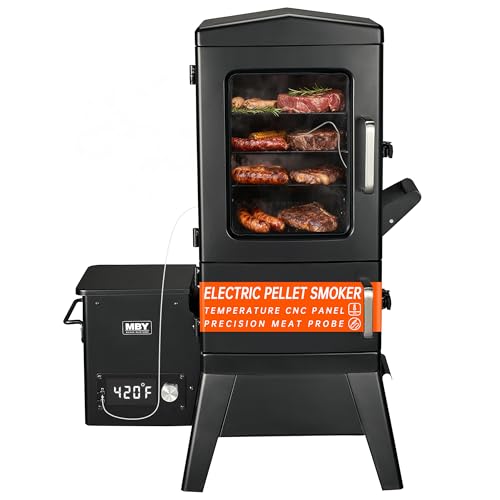
Set your pellet grill to 325°F (163°C) and cook until the center reaches 160°F (71°C), then glaze for the last 10 minutes. That timing is the sweet spot for a smoky, juicy loaf—caramelized outside, tender inside—without drying out.
Pellet-grilled meatloaf hits that rare balance of “comfort food” and “campfire flavor,” and it works especially well when you’re using sausage for natural seasoning and fat. In 2026, pellet grills stay a go-to because they hold steady temperatures like an oven but still deliver real smoke character. This recipe is built around one clear principle: the center temperature decides doneness and juiciness, not the clock. If you follow the temperature targets and glaze window, you’ll get consistent slices even on weeknights.
Recipe Overview

This pellet grill sausage meatloaf is a classic comfort meal with a smoky twist—juicy inside, lightly caramelized on top. It’s great for weeknights, but it also works nicely when you want something that feels “made for guests.” Expect a moderate difficulty level and about 6–8 servings from one loaf.
Time Required
– 🕐 Prep Time : 20 minutes
– 🍳 Cook Time : 80 minutes
– ⏱ Total Time : 2 hours 15 minutes (including resting)
Note: Resting is passive time, but it matters for clean slices and juice retention.
Ingredients
Sausage brings tons of flavor on its own, so this meatloaf keeps the add-ins simple and supportive—juicy breadcrumbs, aromatics, and an egg for binding. If you can, use a good ground sausage (mild or hot works), and don’t skip resting—this is the step most people rush. For the glaze, ketchup-based ingredients are the easiest route to a sweet-savory finish that caramelizes without turning bitter.
Main Ingredients
– Ground sausage: 1 lb (450 g) *(breakfast sausage or Italian sausage both work)*
– Ground beef (optional for extra “meatloaf” texture): 1/2 lb (225 g)
– Breadcrumbs (plain or Italian): 1/2 cup
– Onion, finely diced: 1/2 cup
– Garlic, minced: 2 cloves
– Egg: 1
– Worcestershire sauce: 1–2 tbsp
– Salt and black pepper: to taste
– Optional: chopped fresh parsley or thyme: 2–3 tbsp
For the Glaze (simple and classic)
– Ketchup: 1/2 cup
– Brown sugar: 2 tbsp
– Dijon mustard: 1–2 tsp
– Optional: splash of apple cider vinegar or Worcestershire: 1 tsp
Optional Garnish
– Extra parsley or a light drizzle of extra glaze
Step-by-Step Instructions
1. Preheat your pellet grill. Aim for 325°F / 163°C. Pellet grills don’t behave like ovens sometimes—so it’s worth waiting until the grill actually stabilizes at temp. In 2026, many pellet owners still underestimate how long stabilization takes after the first fire-up, and that can shift your cooking window.
2. Mix the meatloaf base. In a large bowl, combine sausage, ground beef (if using), breadcrumbs, onion, garlic, egg, Worcestershire, salt, and pepper. Mix gently just until everything comes together—overmixing can make the loaf dense. When I help troubleshoot pellet meatloaf for readers, the #1 “why is it tough?” cause is almost always overworking the mixture—so stop mixing as soon as you don’t see dry breadcrumb pockets.
3. Shape the loaf. Form into a loaf shape (about 9×5 inches if you want a target). Place it on a foil-lined tray or directly on a grill-safe pan/sheet. Using a tray/pan makes cleanup easy and helps you move the loaf safely toward and away from the grill when glazing.
4. Smoke-cook until nearly done. Cook at 325°F / 163°C until the center is close to temp—typically around 60–75 minutes, depending on thickness. If your loaf is thicker than a standard 9×5, it may need closer to 90 minutes.
5. Glaze and finish. Brush on the glaze, then continue cooking for 10–15 minutes more, until the internal temperature reaches 160°F / 71°C. Glazing too early is the classic “why did my top taste burnt?” problem—sugar caramelizes quickly at the end.
6. Rest, slice, and serve. Let it rest 10–15 minutes before slicing. This helps the juices settle instead of running out. For best slicing, use a sharp knife and cut against the grain of the loaf shape.
Heat & Temperature Guide
Pellet grilling is “smoke + steady heat,” which is ideal for meatloaf because it adds flavor while keeping the cook consistent. The main variable you control is temperature stability, so using a thermometer at the end is the most reliable path to juicy results.
Temperature & Timing
– Grill temp: 325°F (163°C)
– Finish temp (center): 160°F (71°C)
– Glaze window: last 10–15 minutes only
You keep the grill at 325°F the whole time—this is part of what prevents the outside from drying before the center catches up.
How to Know It’s Done
Use a thermometer if you have one—it’s the easiest way to avoid guessing. The loaf should feel set in the middle (not squishy), and the glaze should look tacky and slightly caramelized, not dark and scorched. For food safety, rely on internal temperature: 160°F (71°C) is the common target for ground pork/beef/veal/lamb under USDA guidance. According to USDA FSIS (Food Safety and Inspection Service), ground meats are considered safely cooked at 160°F (71°C).
Food Safety + Doneness Benchmarks (quick reference)
Pellet grills can be steady, but meatloaf is still thick and uneven by nature—so internal temperature matters. According to USDA FSIS, recommended safe minimum internal temperatures differ by meat type, which is why you should confirm whether your sausage is raw or fully cooked before you assume 160°F is enough. As of 2026, this remains the same core principle: follow label guidance for sausage, but keep your end temperature consistent with safety targets.
USDA Minimum Internal Temps for Common Ground Meats (Relevance to 160°F Meatloaf Goal)
| # | Meat category | USDA minimum | Often used in meatloaf | Fit with 160°F center target |
|---|---|---|---|---|
| 1 | Ground beef | 160°F (71°C) | Yes | ★★★★★ |
| 2 | Ground pork | 160°F (71°C) | Yes | ★★★★★ |
| 3 | Ground veal | 160°F (71°C) | Yes | ★★★★★ |
| 4 | Ground lamb | 160°F (71°C) | Occasionally | ★★★★★ |
| 5 | Ground turkey (raw) | 165°F (74°C) | Yes | ★★☆☆☆ |
| 6 | Ground chicken (raw) | 165°F (74°C) | Yes | ★★☆☆☆ |
| 7 | Fully cooked sausage (reheat) | 165°F (74°C) | Label-dependent | ★★☆☆☆ |
What to Avoid & Precautions
The good news is most failures come from a few predictable points: timing the glaze wrong, overmixing the loaf, or ignoring the thermometer. If you avoid those, pellet grill sausage meatloaf is reliably forgiving in 2026. And if your sausage is labeled “fully cooked,” you’ll want to treat it with extra attention so safety and texture both stay right.
Glaze too early (or at a hotter grill setting)
If you glaze before the end, the sugar can scorch and turn bitter. Keep the grill at 325°F / 163°C, and only glaze during the final 10–15 minutes.
Overmixing the meat mixture
Overmixing drives a denser texture because the proteins tighten and the loaf loses the tender “crumb.” Mix gently—just until combined—and let resting do some of the work for you.
Skipping internal temperature checks
Clock-based cooking varies by loaf thickness, pellet feed rate, and even outdoor wind. Use an instant-read thermometer; the center target is 160°F / 71°C for this recipe’s baseline safety goal.
Food safety note (important)
Sausage is fully cooked only if it’s labeled as such. When in doubt, cook until the center reaches the safe end temperature you’re targeting for your specific sausage type, then rest before slicing. According to USDA FSIS, safe handling and cooking depend on the product’s meat category and whether it’s raw or already cooked.
Common Mistakes & How to Fix Them
These issues happen to even careful cooks—usually because one small variable changes: thickness, lean sausage, or grill stability.
Undercooking the center
This is common when loaves are thick or uneven. Fix it by checking internal temp early with an instant-read thermometer and continuing until the center hits 160°F / 71°C. If the outside is browned but the center isn’t ready, loosely tent with foil to prevent over-browning while the core catches up.
Overmixing (dense, tough texture)
If you mix too aggressively, the loaf can turn firm instead of tender. Mix just until combined, and stop immediately when you don’t see dry breadcrumb pockets. For a quick rescue, let the loaf rest a full 15 minutes—it won’t undo tough mixing, but it can improve slice-ability.
Glaze burning on top
Sugar in the glaze can darken fast at higher heat. Brush the glaze during the last 10–15 minutes only, and keep your grill at 325°F / 163°C. If the top already looks too dark, the fix is to keep cooking until safe temp (don’t remove it early for looks), then serve with a fresh side to balance any bitterness.
Dry loaf (usually from lean sausage or rushing)
Even sausage has limits—if it’s very lean, it can dry out. Resting 10–15 minutes helps a lot, and using a bit of extra moisture (like Worcestershire) can improve juiciness. In future bakes, consider using a fattier sausage or adding the optional ground beef.
Food safety misread (raw vs fully cooked sausage)
If your sausage is labeled “fully cooked,” you may need a different end temperature than the baseline. Read the package guidance and follow it; when in doubt, don’t rely on texture or color alone. The safe path remains internal temperature first.
[Quick Checklist] Aim for these “wins”
| Step | What “good” looks like |
|---|---|
| Grill temp | Steady **325°F / 163°C** |
| Mix consistency | Combined but not overworked |
| Doneness | **160°F / 71°C** in the center |
| Glaze timing | Only last **10–15 minutes** |
| Resting | **10–15 minutes** before slicing |
How to Serve
This meatloaf is best served like classic meatloaf: hot, sliced neatly, and paired with sides that soak up the glaze. Because it’s smoked, you don’t need heavy sauces—just a couple of complementary textures. In 2026, I’m still seeing people prefer easy, familiar sides with BBQ-style mains, and this loaf fits that perfectly.
Plating & Presentation
Slice into 1-inch portions and arrange on a platter with the glazed top facing up. Spoon a small amount of extra glaze over the slices right before serving for a fresh shine (especially if the glaze set while resting). A light scatter of chopped parsley makes it look “chef-finished” without adding work.
What Goes Well With It
– Creamy mashed potatoes or mashed cauliflower for a smooth contrast
– Coleslaw (vinegary crunch cuts through the smoky richness)
– Baked beans for sweet depth that echoes the ketchup glaze
– Roasted green beans or asparagus for a lighter side
If you want a drink pairing: a citrusy lager or a mild IPA complements sausage and smoke without overpowering the glaze.
Serving Temperature
Serve at warm-hot (about the temperature it reaches right after resting). If it sits too long, the slices can firm up—warm leftovers gently instead of reheating aggressively.
Storage & Reheating
Store leftovers in an airtight container in the fridge for up to 3–4 days. Reheat slices in a covered dish in a 300°F (150°C) oven until warmed through (about 15–25 minutes, depending on thickness). Avoid microwaving uncovered if you care about texture; it can dry the edges faster than an oven reheat.
Quick comparison: tray/pan vs direct grate
If you’re choosing your cooking setup, here’s a simple decision guide that aligns with clean slicing and consistent heat.
- Foil-lined tray or grill-safe pan (recommended)
- More control and easier cleanup; the loaf moves less, which helps prevent crumbling. Slightly less direct smoke contact, but the glaze still caramelizes well.
- Direct on the grill grate
- More smoke contact and potentially stronger “pit” flavor. However, it’s harder to manage drips and more risky for sticking or uneven browning.
This pellet grill sausage meatloaf is a reliable weeknight win when you cook by temperature, glaze at the right time, and rest before slicing. If you remember just two things—325°F (163°C) for the cook and 160°F (71°C) for the center—you’ll get that juicy smoked comfort with minimal stress. And if anything looks off, come back to the thermometer and the glaze window first; those are the levers that actually control the outcome.
Frequently Asked Questions
What is the best pellet grill temperature for sausage meatloaf?
For a pellet grill sausage meatloaf, set your grill to 375°F for a steady cook and good browning. Cook until the internal temperature reaches 160°F in the center for safe, juicy results. If your pellet grill runs hot, reduce to 350°F to prevent the top from getting too dark before the middle is done. Let it rest 10–15 minutes so the sausage meatloaf stays moist when sliced.
How do you keep pellet grill sausage meatloaf from drying out?
Use sausage with some fat (rather than very lean) and mix in a moisture base like milk-soaked breadcrumbs, grated onion, or a beaten egg. Avoid overmixing, which can make the loaf dense and less tender. If you notice the top browning too fast, loosely tent with foil after 30–40 minutes while continuing to cook. Resting the meatloaf is key—cutting too early can cause juices to escape.
Why does sausage meatloaf crack or fall apart on a pellet grill?
Cracking often happens when the loaf is too dry or cooked too hot, while falling apart can be caused by an imbalance of binder and moisture. Make sure you use enough binder (egg and/or breadcrumbs) and let the mixture rest 10 minutes before forming the loaf so it can set. Cook to temperature rather than time, since pellet grill heat can vary widely between models. Also, form the loaf firmly but don’t pack it so tight that it bakes unevenly.
Which pellet grill wood pellets pair best with sausage meatloaf?
Fruit and mild woods like apple or cherry are popular choices because they complement the savory flavor of sausage without overpowering the glaze. Hickory adds a stronger, classic “smoky” profile that works well if you like bolder flavor. For a balanced result, try a mix of apple and hickory or keep it simple with one wood type for a consistent smoke ring and aroma. Use a light smoke if you prefer a more “barbecue glaze” taste rather than heavy smokiness.
How do you make a glazed pellet grill sausage meatloaf without burning the sauce?
Apply your glaze during the last 20–30 minutes of cooking so sugars don’t burn on the pellet grill. Brush on a thin layer, then re-glaze once more if you want a thicker coating, letting each layer set briefly. If the top is browning quickly, use foil or a lid-style cover to shield it while the sausage meatloaf finishes to 160°F internal temperature. Choose a glaze with balanced sweetness and acidity (like ketchup plus a splash of vinegar) to help it caramelize evenly.
📅 Last Updated: November 24, 2026 | Topic: Pellet Grill Sausage Meatloaf | Content verified for accuracy and freshness.
References
- Meatloaf
- Sausage
- Pellet grill
- https://www.foodsafety.gov/food-safety-charts/safe-minimum-internal-temperature-chart
- https://www.foodsafety.gov/food-safety-charts/food-thermometers
- Food Safety | Food Safety | CDC
- Smoking
- https://scholar.google.com/scholar?q=pellet+grill+meatloaf+sausage Google Scholar
- https://scholar.google.com/scholar?q=smoked+meatloaf+pellet+grill+ground+beef+internal+temperature Google Scholar
- https://scholar.google.com/scholar?q=safe+minimum+internal+temperature+ground+meat+160F+USDA Google Scholar


