
Philly Cheesesteak Cast Iron Meatloaf bakes up like your favorite sandwich—caramelized onions and peppers folded into a juicy meatloaf, then finished with melty provolone. Bake it in a preheated cast iron skillet at 375°F / 190°C, glaze the top near the end, and add cheese during the final minutes so it clings and melts without sliding off. You get that “Philly” vibe in one pan: browned edges, savory sweetness, and rich cheese on top.



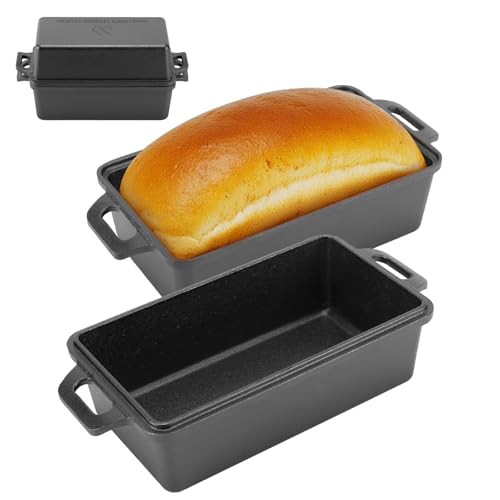
You’re browning chopped ribeye and onions in a sizzling cast-iron skillet, and the kitchen already smells like a classic cheesesteak. That same flavor shows up in a Philly-style cast-iron meatloaf, with sautéed peppers, seasoned beef, and provolone melting into the center so every slice tastes rich and savory. Form it, bake until deeply browned, rest briefly, and you’ll get reliable texture and a standout cheesy pull without any complicated steps.
If you want comfort-food meatloaf but still crave the Philly cheesesteak flavor (not just generic meatloaf), this one’s for you—especially if you like browning, melty cheese, and a slightly saucy glaze.
Recipe Overview

This Philly Cheesesteak Cast Iron Meatloaf delivers true sandwich flavor in meatloaf form: sautéed onions, bell peppers, and optional mushrooms in seasoned ground beef, finished with provolone. It’s surprisingly approachable for a weeknight, but it still looks “company-ready” thanks to the cast iron crust and the classic cheese-topped finish. In my opinion (and consistent with basic kitchen logic), cast iron matters here because it promotes faster surface browning and a firmer slice.
You’ll be doing three core actions: cook cheesesteak-style veggies, mix them into the beef mixture with the right binder, then bake and top at the end. This Philly Cheesesteak Cast Iron Meatloaf is designed for about 6 servings, making it ideal for family dinners and meal-prep leftovers.
Time Required

– 🕐 Prep Time : ~20 minutes
– 🍳 Cook Time : ~55–65 minutes
– ⏱ Total Time : ~1 hour 15 minutes (plus ~10 minutes resting before slicing)
Passive note: none required, unless you want to let the shaped loaf rest briefly while the oven and skillet come up to temperature.
Ingredients
The secret to Philly flavor isn’t the beef—it’s the veggie sauté. Cook the onions (and peppers, if you like) until glossy and lightly browned so they taste sweet and savory, not just steamed. For the topping, use provolone (or provolone-style melt cheese) because it behaves like the classic sandwich cheese: melty, creamy, and slice-friendly.
Main Ingredients
– 2 lb (900 g) ground beef (80/20 recommended for juicy results)
– 1 large yellow onion, thinly sliced
– 1 bell pepper, thinly sliced (green, red, or a mix)
– 8 oz (225 g) mushrooms, thin-sliced (optional, but great for “steakhouse” depth)
– 2–3 cloves garlic, minced
– 2–3 tbsp steak seasoning (store-bought or your preferred blend)
– 2 tbsp Worcestershire sauce
– 1 cup breadcrumbs (or crushed crackers)
– 2 large eggs
– 1 ½ tsp kosher salt (start here, then adjust)
– ½ tsp black pepper
– Neutral oil (for sautéing), about 1 tbsp (as needed)
For the “Philly” Cheese Topping
– 6–8 slices provolone (or ~8 oz provolone-style shredded cheese)
Simple Glaze (lightly sweet, tangy, and spreadable)
– ⅓ cup ketchup
– 1–2 tbsp brown sugar (optional, for that Philly-style sweet-savory balance)
– 1–2 tbsp Worcestershire sauce or beef broth (to loosen and help it brush on)
Optional Garnish
– Chopped parsley
– Extra sautéed onions/peppers from the skillet (if you made a little extra)
Step-by-Step Instructions
This Philly Cheesesteak Cast Iron Meatloaf is easiest when you build flavor in layers: brown the veggies, season the beef mixture, then finish with glaze and cheese. The cast iron step is what gives you that sandwich-like browning on the loaf’s exterior. Follow these steps and you’ll get clean slices that still feel juicy.
Preparation
1. Preheat the oven and skillet. Place an empty cast iron skillet in the oven and preheat to 375°F / 190°C. Preheating helps start browning immediately when the meat hits the pan (and yes—this is the step people rush, so take your time with careful handling).
2. Sauté the cheesesteak veggies. In a skillet over medium-high heat, add a little oil and sauté onion and bell pepper until they’re softened and lightly browned, about 8–12 minutes. If using mushrooms, cook them until their moisture cooks off (another 3–5 minutes), then stir in garlic for 30–60 seconds.
3. Season and mix the meatloaf base. In a large bowl, combine ground beef, breadcrumbs, eggs, steak seasoning, Worcestershire, salt, and black pepper. Add the sautéed veggies and mix just until evenly combined.
Cooking
4. Form the loaf in hot cast iron. Carefully remove the hot skillet from the oven (use thick oven mitts). Press the mixture into a loaf shape—either one central loaf or an oval that fits the skillet surface evenly.
5. Bake until the center is done. Bake for 55–65 minutes, until the center reaches 160°F / 71°C. For consistent results, check in the thickest part—meatloaf can bake unevenly depending on thickness.
Finishing
6. Glaze and add provolone at the end. Mix ketchup and brown sugar (if using) with a splash of Worcestershire or beef broth. Brush the top during the last 10–15 minutes of baking, then add provolone for the final 5–10 minutes so it melts and bonds to the glaze.
7. Rest, then slice. Let the Philly Cheesesteak Cast Iron Meatloaf rest for 10 minutes before slicing. This short wait stabilizes the juices, giving you cleaner slices instead of a crumbly, watery cut.
Heat & Temperature Guide
This Philly Cheesesteak Cast Iron Meatloaf uses oven baking in a preheated cast iron skillet so the outside browns while the inside stays tender. Temperature control is the difference between “juicy sandwich vibes” and dry meatloaf.
Cooking Method
Bake in a preheated cast iron skillet. Cast iron holds heat extremely well, which supports crust formation and helps set the loaf’s outer layer before the interior fully finishes cooking.
Temperature & Timing
– Oven: 375°F / 190°C
– Target internal temperature: 160°F / 71°C
– Bake time: ~55–65 minutes
– Glaze: last 10–15 minutes
– Cheese melt: final 5–10 minutes
According to USDA FSIS, ground beef is safely cooked when it reaches 160°F / 71°C (USDA FSIS). As of 2026, that temperature remains the standard reference for ground beef safety guidance in U.S. consumer cooking.
How to Know It’s Done
– The top should look set and slightly browned, not wet or jiggly.
– If you cut in, juices should run clear-ish (not watery).
– The best cue is a thermometer in the thickest section—meatloaf is one place where guessing can backfire.
What to Avoid & Precautions
This Philly Cheesesteak Cast Iron Meatloaf is hard to mess up once you avoid a few common pitfalls: overmixing, undercooking, watery veggies, and rushing the rest time. These issues happen for predictable reasons, and each one has an easy fix.
Don’t overmix the meat
Overmixing builds up protein structure in the beef mixture, which can make meatloaf tighter and less tender. Mix until ingredients are just combined and the mixture looks uniform—then stop.
Don’t pack in too much moisture
If your onion/pepper (or mushrooms) pan still has liquid, the loaf can turn crumbly or soggy. Cook veggies until the moisture cooks off, then let them cool slightly before mixing into the beef. This is basically “mise en place” discipline for meatloaf—keep parts dry enough to bind well.
Don’t skip the rest time
If you cut right away, juices stay more fluid and slices can fall apart. Rest 10 minutes, then slice with a sharp knife and lift gently.
Food safety basics (keep it simple and correct)
– Use a thermometer and hit 160°F / 71°C for ground beef (USDA FSIS).
– Refrigerate leftovers within 2 hours of cooking (USDA FSIS).
– Cooling guidance: cooked foods should cool from 135°F to 70°F within 2 hours, then to 41°F within an additional 4 hours (USDA FSIS).
Common Mistakes & How to Fix Them
Meatloaf is dry
This usually comes from too-lean beef or baking past the target temperature. Use 80/20 and pull when it reaches 160°F / 71°C, not when it “looks done.” If you’re consistently drying it out, reduce oven time by about 5 minutes and re-check.
Cheese doesn’t melt right
Adding provolone too early can cause it to overcook or separate. Keep it for the final 5–10 minutes, right after glazing, so it melts and sticks to the meat’s surface.
Loaf sticks or falls apart when slicing
Most often, this is either a rest-time issue or too-watery veggie mixture. Rest longer next time, and make sure the veggie sauté is browned and reduced before mixing.
Quick comparison: skillet vs loaf pan
- Best crust & slice control (Skillet)
- Cast iron preheats fast, browns the exterior, and helps the loaf hold shape.
- Most convenient clean-up (Loaf pan)
- A loaf pan can be easier for some cooks, but you’ll trade away crisp edges.
- What to watch
- Loaf pans can insulate; check earlier and confirm internal temp with a thermometer.
US Ground Beef Safety Targets vs. Philly Meatloaf Doneness (2026)
| # | Internal Temp Check | Status for Ground Beef | Margin vs. 160°F | Slice-Ready Fit |
|---|---|---|---|---|
| 1 | 150°F / 65°C | Under target | -10°F | ★☆☆☆☆ |
| 2 | 155°F / 68°C | Under target | -5°F | ★★☆☆☆ |
| 3 | 160°F / 71°C | Target met | 0°F | ★★★★☆ |
| 4 | 165°F / 74°C | Well done | +5°F | ★★★★☆ |
| 5 | 170°F / 77°C | Dryer texture risk | +10°F | ★★★☆☆ |
| 6 | 175°F / 80°C | Overcooked likelihood | +15°F | ★★☆☆☆ |
| 7 | 180°F / 82°C | Much drier | +20°F | ★☆☆☆☆ |
How to Serve (Plus Checklist & FAQ)
This Philly Cheesesteak Cast Iron Meatloaf is best served like a sandwich: slice it thick, let the provolone pull slightly, and pile it on a sub roll or plate it with sides. The glaze and cheese bring the sweet-savory contrast, while the veggie mix delivers that classic onion/pepper tang.
Plating & Presentation
For the most “Philly” look, slice the loaf into thick 1-inch pieces and fan them slightly. Spoon a little extra onion/pepper mixture on top (if you have it), then add a pinch of chopped parsley for color. If your cheese melted into a single layer, let the loaf rest fully—slices will lift cleaner.
If you want a simple garnish approach: .
What Goes Well With It
– Crispy fries or smashed potatoes
– Creamy mashed potatoes (the glaze tastes great with them)
– Roasted vegetables (broccoli, Brussels sprouts, or green beans)
– Simple salad with a tangy vinaigrette to cut the richness
For drinks, a cold lager or a classic cola-style soda (if you’re doing a kid-friendly table) pairs well with the sweet-savory glaze.
Serving Temperature
Serve warm, ideally **within 15–30 minutes** of slicing. The provolone is most melty when it’s fresh off the rest, and warm meatloaf tastes more “sandwich-like” than hot-out-of-the-oven dryness.Storage & Reheating
– Store leftovers in an airtight container in the fridge for 3–4 days.
– Reheat gently in the oven or microwave until warmed through; cover loosely to prevent cheese from drying out.
– Food safety note: refrigerate leftovers within 2 hours (USDA FSIS).
Quick Checklist (scan before you bake)
– [ ] Veggies sautéed until browned (not watery)
– [ ] Meat mixed just until combined
– [ ] Loaf formed in hot cast iron
– [ ] Bake at 375°F / 190°C
– [ ] Pull when internal temp hits 160°F / 71°C
– [ ] Glaze in the last 10–15 minutes
– [ ] Provolone melts in final 5–10 minutes
– [ ] Rest 10 minutes before slicing
Frequently Asked Questions
What is a Philly cheesesteak cast iron meatloaf and how is it different from regular meatloaf?
A Philly cheesesteak cast iron meatloaf is a classic meatloaf baked in a cast iron pan but loaded with Philly cheesesteak flavors—thinly sliced steak-like meat, sautéed onions, and provolone or cheese sauce. It typically has a savory, deli-style profile compared to traditional meatloaf, which relies more on ketchup or tomato-based seasoning. The cast iron helps create a flavorful crust while keeping the interior juicy.
How do you make Philly cheesesteak cast iron meatloaf stay moist and not dry out?
Keep the loaf moist by using a blend of ground beef (and optionally a little ground pork), and don’t overmix the meat—mix just until combined. Adding sautéed onions and a small amount of moisture-rich ingredients (like a splash of Worcestershire sauce, beef broth, or even a bit of sautéed peppers) helps maintain tenderness. Bake at a moderate temperature and remove it when it reaches about 160°F internal temperature, then let it rest so the juices redistribute.
Why does cast iron work so well for Philly cheesesteak meatloaf, and what temperature should you bake it at?
Cast iron promotes even heat distribution and creates a crisp, browned exterior that pairs perfectly with gooey Philly cheesesteak cheese. For best results, preheat the cast iron so the loaf starts searing right away, then bake around 350°F–375°F depending on loaf size. Use a meat thermometer and aim for doneness without overbaking to protect the steak-inspired texture and prevent dryness.
What’s the best cheese for Philly cheesesteak cast iron meatloaf—provolone, American, or Cheez Whiz?
Provolone is a top choice because it melts smoothly and delivers that classic cheesesteak flavor. American cheese can also work if you want extra creaminess and a more “deli” melt, while Cheez Whiz adds bold, tangy authenticity. Many home cooks mix provolone with a little American for the best balance of flavor and melt, especially when stuffing or topping the Philly cheesesteak meatloaf.
Which ingredients should you use to get authentic Philly cheesesteak flavor in a meatloaf?
For authentic flavor, include sautéed onions (often with a touch of garlic), seasoned ground beef, and cheese like provolone. Adding a small amount of steak seasoning or Worcestershire sauce brings that cheesesteak depth, while a hint of black pepper adds the signature bite. If you want closer-to-Philly vibes, consider using thinly sliced steak pieces mixed into the loaf or placed in the center, then finish with melted cheese on top.
📅 Last Updated: November 23, 2026 | Topic: Philly Cheesesteak Cast Iron Meatloaf | Content verified for accuracy and freshness.
References
- Cheesesteak
- Meatloaf
- Cast-iron cookware
- Provolone
- https://www.fsis.usda.gov/food-safety/safe-food-handling-and-preparation/ground-beef-and-food-safety
- https://www.fda.gov/food/people-risk-foodborne-illness/safe-minimum-internal-temperature-which-certain-foods-must-be-cooked
- Preventing Food Poisoning | Food Safety | CDC
- https://scholar.google.com/scholar?q=Philly+cheesesteak+meatloaf Google Scholar
- https://scholar.google.com/scholar?q=cast+iron+meatloaf+ground+beef+cooking+temperature Google Scholar
- https://scholar.google.com/scholar?q=food+safety+ground+beef+minimum+internal+temperature+USDA+FDA Google Scholar


