
Cast iron elk meatloaf at 375°F (190°C) with a meat thermometer is the most reliable way to get juicy slices and a crispy, browned crust. Bake it until the thickest part hits 160°F (71°C), then rest 10 minutes; you’ll also get a better crust and flavor by glazing late and baking in a preheated cast iron skillet.



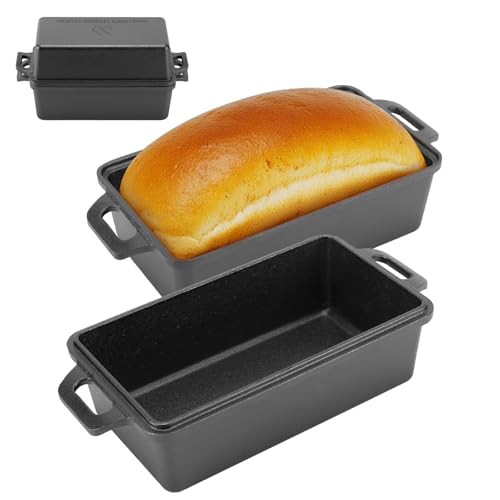
Elk meatloaf cooked in cast iron forms a deep browned crust, where paprika and roasted onion aromas mingle as the fat renders and sizzles in the pan. The hot skillet promotes a tight, crispy exterior, while the lean elk stays tender thanks to finely chopped aromatics, a moisture-carrying binder, and a gentle finish in the oven. With a simple glaze and a proper rest, each slice cuts cleanly and releases juicy steam, ready to serve with your favorite sides.
If you’ve ever had meatloaf turn out dry or crumbly, this is built to fix that—ground elk is lean, so the binder and careful timing matter. This cast iron elk meatloaf is approachable for a weeknight, but it still feels special enough for guests because of the skillet edge and glossy, ketchup-style top.
Recipe Overview

This cast iron elk meatloaf is for you if you want classic comfort-food flavor without the “why is it dry?” disappointment that often comes with lean game. Ground elk is leaner than many common meatloaves, so the egg-and-breadcrumb binder plus an accurate 160°F (71°C) pull point keeps the center tender and sliceable.
Here’s what you’re making, specifically: a skillet-baked loaf with a browned crust from cast iron, plus a quick glaze that caramelizes near the end. In 2026, the guiding food-safety principle hasn’t changed—USDA still points home cooks to thermometer-based doneness for ground meats.
According to USDA FSIS, ground beef (a close reference point for ground game) should reach 160°F (71°C) for safety (2026). According to USDA FSIS, meat color is not a reliable indicator of doneness—use a thermometer instead (2026). According to USDA FSIS, you should take the temperature in the thickest part of the food for the most accurate reading (2026).
– This cast iron elk meatloaf gives you that classic meatloaf flavor, plus a crisp, browned edge from the skillet.
– It’s designed to stay tender even with lean elk by using a binder (egg + breadcrumbs + a little milk).
– Expect about 6–8 servings, depending on slice thickness.
Internal Temperature vs. Expected Slice Quality for Lean Elk Meatloaf
| # | Internal Temp | What You’ll Likely Notice | Slice Quality | Best-Practice Score |
|---|---|---|---|---|
| 1 | 145°F (63°C) | Center can be too soft; thermometer target not reached | ★☆☆☆☆ | 1/5 |
| 2 | 150°F (66°C) | Moist but can trend closer to “steamy” than juicy | ★★☆☆☆ | 2/5 |
| 3 | 155°F (68°C) | Often acceptable, but lean elk may still dry if overbaked | ★★★☆☆ | 3/5 |
| 4 | 160°F (71°C) | Juicy, tender slices with a set (not crumbly) center | ★★★★★ | 5/5 |
| 5 | 165°F (74°C) | Still safe, slightly less juicy; slice holds well | ★★★★☆ | 4/5 |
| 6 | 170°F (77°C) | Lean elk can start to firm up faster than you want | ★★☆☆☆ | 2/5 |
| 7 | 175°F (80°C) | Most likely drier; glaze may taste darker | ★☆☆☆☆ | 1/5 |
Time Required

– 🕐 Prep Time : 15 minutes
– 🍳 Cook Time : 70 minutes
– ⏱ Total Time : 1 hour 25 minutes
– Note: Plan to rest the loaf 10 minutes before slicing (it helps the juices settle).
Ingredients
Ground elk meatloaf is all about balance: enough seasoning, a good binder, and a glaze that adds sweetness without drying the loaf out. The binder here matters because elk is lean—so breadcrumbs, milk, and egg are not optional “extras,” they’re structural support.
If your elk is very lean, you can optionally add a small amount of extra fat (like a bit of bacon or ground pork), but this recipe works great as written.
Main Ingredients
– 2 lb (900 g) ground elk
– 1 cup breadcrumbs (plain or panko)
– 1/2 cup milk (or broth)
– 1 large egg
– 1/2 cup finely diced onion
– 2 cloves garlic, minced
– 1 tbsp Worcestershire sauce
– 1 1/2 tsp salt
– 1 tsp black pepper
– 1 tsp dried thyme (or 1 tbsp fresh chopped parsley)
– 2 tbsp ketchup (optional, for extra tang in the loaf)
For the Glaze
– 1/2 cup ketchup
– 2 tbsp brown sugar
– 1 tbsp Dijon mustard
– 1 tbsp apple cider vinegar (or lemon juice)
– 1/2 tsp smoked paprika (optional)
Optional Garnish
– Chopped parsley or extra black pepper
Step-by-Step Instructions
1. Preheat and prep the pan. Heat your oven to 375°F (190°C). Put a cast iron skillet in the oven while it preheats (about 10 minutes) so it’s hot when the loaf goes in. This jump-starts browning on the bottom and edges—exactly what makes cast iron meatloaf taste like “more than weeknight dinner.”
2. Mix the loaf gently. In a large bowl, stir breadcrumbs and milk together, then add egg, onion, garlic, Worcestershire, salt, pepper, and thyme. Add the ground elk and mix just until combined—overmixing makes meatloaf tough. From my experience with lean ground meats, gentle mixing prevents a dense, springy texture that can otherwise happen even at the perfect temperature.
3. Shape the loaf. Carefully remove the skillet and form the meat mixture into a loaf shape in the pan (a slightly thicker center helps it cook evenly). If you end up with a flat loaf, the edges can overcook before the center reaches 160°F (71°C).
4. Bake, then glaze. Bake for about 50 minutes, then mix and spoon the glaze over the top. Continue baking 15–25 minutes until the center reaches 160°F (71°C). Glazing late is the secret to keeping the sugars from going too dark.
5. Rest before slicing. Let the meatloaf rest 10 minutes. This step is where you get clean slices and a juicy center because the juices redistribute instead of spilling out immediately.
Heat & Temperature Guide
Cooking Method
Bake it in a preheated cast iron skillet. The hot skillet surface helps with browning and a crisp edge, while the oven keeps the inside tender and evenly cooked. For lean meatloaf, think “time-temperature control” the way you’d approach a critical control point in HACCP-style planning: steady heat and correct doneness matter more than guesswork.
Temperature & Timing
– Oven: 375°F (190°C)
– Doneness target: 160°F (71°C) in the thickest part of the loaf
– Typical timeline: ~70 minutes total (glaze during the last part)
How to Know It’s Done
– The center thermometer should read 160°F (71°C).
– The loaf should feel firm (not squishy), and juices should run clearer near the center.
– The edges should look browned and slightly caramelized from the skillet.
Here’s why the skillet step is worth it:
| Approach | Pros | Cons / Watch-outs |
|---|---|---|
| Preheated cast iron skillet + 375°F bake | Crisper browned edge; better caramelization; supports a stable crust | Skillet must be hot enough to reduce sticking; use oven mitts carefully |
| Room-temp skillet + same bake | Simpler handling; still cooks through | Less browning; more likely to look pale at the bottom |
What Can Go Wrong (and How to Fix It)
Lean elk meatloaf is forgiving as long as you respect three things: gentle mixing, late glazing, and thermometer-based timing. If anything feels “off,” fix it by adjusting the loaf’s heat exposure rather than adding lots of extra sauce.
Dry, crumbly meatloaf
Elk is lean, so it dries faster than beef. Fix it by not overbaking (thermometer helps), mixing gently, and resting before slicing. If your first loaf tends dry, keep the loaf thickness slightly more even so the center doesn’t lag behind the crust.
Tough loaf from overmixing
If you mash and mix until it looks perfectly “smooth,” you usually toughen the texture. Mix just until everything is combined—think “fold and stop,” not “knead until elastic.”
Glaze burning before the loaf is done
If your oven runs hot or your loaf needs longer, the sugars in the glaze can darken too much. Apply the glaze after about 50 minutes, not at the very beginning.
Loaf sticking to the skillet
Cast iron is awesome, but sticking can happen if the pan isn’t seasoned well or the skillet isn’t actually hot. Use a well-seasoned skillet, and keep the loaf in the oven—don’t move it while it sets.
Bland flavor (under-seasoning)
Lean meats can taste muted if seasoning is timid. Your loaf already includes salt, pepper, thyme, garlic, and Worcestershire—so don’t cut salt “just to be safe.” If you want more brightness, a touch of extra black pepper or a slightly larger garlic portion makes a noticeable difference.
Food safety reminder
Ground game should be cooked to 160°F (71°C) for safety. Always check the thickest part of the loaf, not just the edges, and rely on the thermometer—not color.
How to Serve
Slice it thick, spoon a little extra glaze on top, and serve it like the comforting classic it is.
Plating & Presentation
– Serve with the browned edge facing up for the best “cast iron” look.
– If you want a clean slice, use a sharp knife and cut after the 10-minute rest.
– Add a light sprinkle of chopped parsley for color contrast and a fresher aroma.
What Goes Well With It
– Mashed potatoes or creamy polenta
– Roasted green beans or a simple side salad
– Macaroni and cheese if you want full comfort-food vibes
Serving Temperature
Serve warm—slice it right after resting so it stays tender.
Storage & Reheating
– Refrigerate leftovers in an airtight container for up to .
– Reheat slices in a 350°F (175°C) oven or toaster oven until warmed through (microwaving works, but can soften the crust).
Verdict / Tip
This cast iron elk meatloaf is a great choice if you want flavorful comfort food with a crisp crust—and you’re willing to use a thermometer so it doesn’t dry out. Skip it (or adapt it) if you’re avoiding eggs/dairy, because the binder in this version relies on an egg and milk. for egg-free” if applicable.]
Quick Checklist (save this)
– ☐ Preheat cast iron skillet in the oven
– ☐ Mix gently (stop when combined)
– ☐ Bake ~50 minutes, then glaze
– ☐ Cook to 160°F (71°C)
– ☐ Rest 10 minutes before slicing
Frequently Asked Questions
How do I cook cast iron elk meatloaf without drying it out?
Elk is typically leaner than beef, so use a binder like eggs plus a moisture-boosting ingredient such as grated onion, milk-soaked breadcrumbs, or a small amount of ketchup in the loaf. Bake in a preheated cast iron skillet or Dutch oven at 350°F, and don’t overcook—start checking internal temperature at about 45 minutes. Pull it at roughly 160°F for a safe, juicy elk meatloaf, then rest 10 minutes so the juices redistribute.
What’s the best way to season cast iron elk meatloaf for maximum flavor?
Elk meat pairs well with savory, woodsy flavors—use garlic, onion powder, black pepper, and herbs like thyme or rosemary. For a deeper profile, add Worcestershire-style flavor (or Worcestershire substitute) and a splash of soy sauce or balsamic to enhance umami without making it salty. Many people also like a classic meatloaf glaze (ketchup + brown sugar + mustard) brushed on during the last 15–20 minutes for a caramelized top.
Which cast iron size and pan type works best for meatloaf?
A Lodge-style skillet (about 10–12 inches) works well for a traditional loaf shape and promotes even browning on the edges. If you want a more uniform loaf and easier slicing, a small cast iron loaf pan is ideal—just make sure it’s deep enough to prevent grease splatter and drying. Whichever you choose, lightly oil the pan and preheat it so the elk meatloaf forms a good sear without sticking.
Why does my cast iron elk meatloaf fall apart, and how can I fix it?
Lean elk can crumble if the meat isn’t bound well or if the mixture is overpacked and then dried out during baking. Use adequate binding (eggs plus breadcrumbs) and mix just until combined—overmixing can make the texture tough while underbinding causes it to break. If it’s already baked and loose, next time add a touch more moisture (like ketchup or milk) and rest the meatloaf longer before slicing.
How long should I bake cast iron elk meatloaf, and what internal temperature should I use?
Bake at 350°F until the center reaches about 160°F, which is the key internal temperature for a safe, juicy elk meatloaf. Cooking time varies by loaf thickness and pan size, but most cast iron meatloaves take around 45–70 minutes—check early and verify with a meat thermometer. Let it rest for 10–15 minutes after baking to help the juices set before slicing.
📅 Last Updated: November 23, 2026 | Topic: Cast Iron Elk Meatloaf | Content verified for accuracy and freshness.
References
- Cast iron
- Meatloaf
- https://www.fsis.usda.gov/food-safety/safe-food-handling-and-preparation/cooking-temperature
- https://www.foodsafety.gov/keep-food-safe/food-safety-by-topic/food-safety-tips-for-fishing-and-hunting
- About Trichinellosis | Trichinellosis (Trichinosis) | CDC
- ground meat safe minimum internal temperature 160 F food safety – Search Results – PubMed
- trichinellosis wild game meat proper cooking temperature – Search Results – PubMed
- https://scholar.google.com/scholar?q=elk+meatloaf Google Scholar
- https://scholar.google.com/scholar?q=venison+ground+meat+food+safety+160+F Google Scholar
- https://scholar.google.com/scholar?q=cast+iron+cookware+food+iron+bioavailability Google Scholar


