
Pizza-style elk meatloaf transforms ground elk into a juicy loaf layered with mozzarella, pepperoni, and pizza-seasoned mix, then finished with marinara for a true “slice” flavor. This recipe is straightforward: you’ll mix, shape, bake until set, and add the cheesy topping for a glossy melt. Elk stays tender with the right binder and moisture, so you get bold flavor without complicated steps.



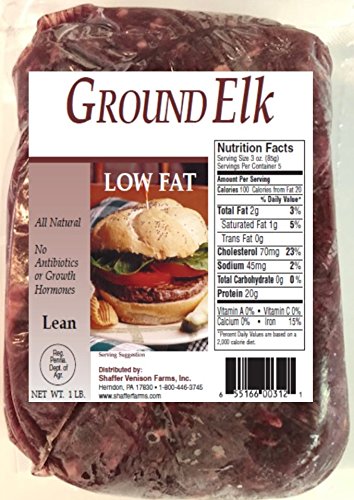
If you want a juicy “pizza night” dinner without ordering in, this pizza elk meatloaf is the move: you mix ground elk with pizza sauce, bake it until the center hits the right temperature, then melt mozzarella on top for a classic pizza vibe. The key is simple—treat it like meatloaf (gentle mixing + resting), and treat the top like pizza (cheese added at the end).
Recipe Overview (and who it’s for)

Pizza elk meatloaf is a savory, sliceable loaf that tastes like pizza—pizza sauce flavor in the center and gooey mozzarella on top. Because ground elk is leaner than beef, the sauce + egg are doing real work here: they help keep the loaf tender instead of dry. This recipe is easy-to-medium for weeknights, and it’s perfect for anyone who likes pizza flavors but wants a “comfort food in loaf form” that’s great for leftovers. Expect about 6 servings from one standard loaf shape.
Time Required
– 🕐 Prep Time : 15 minutes
– 🍳 Cook Time : 50 minutes
– ⏱ Total Time : 1 hour 10 minutes (includes ~10 minutes resting)
Note: No chilling or marinating is required; timing is mostly bake-and-melt.
Ingredients (pizza flavor, without the fuss)
Good elk makes the biggest difference because it has a distinct, slightly gamey richness. That said, the recipe is built for consistency: you’re adding moisture (egg + pizza sauce) and structure (breadcrumbs + onion/garlic) so the loaf slices cleanly. If you’re swapping in ground venison or leaner game, keep the gentle-mixing habit—overworking is the fastest path to tough meatloaf.
Main Ingredients
– 1 1/2 lb (680 g) ground elk (or ground venison)
– 1/2 cup breadcrumbs (plain or Italian-style), plus more if needed
– 1/2 cup pizza sauce (plus more for topping if you like)
– 1 small onion, finely chopped
– 2 cloves garlic, minced
– 1 large egg
– 1 1/2 tsp Italian seasoning
– 1/2 tsp salt (start here; adjust to taste)
– 1/4 tsp black pepper
For the Pizza-Style Topping
– 1 to 1 1/2 cups shredded mozzarella
– 1/4 to 1/2 cup pepperoni slices (optional)
– 1 to 2 tbsp grated parmesan (optional)
– Fresh basil or dried oregano (optional, for serving)
Optional Garnish
– Extra chopped basil or a pinch of red pepper flakes
– A light drizzle of extra pizza sauce right before serving
USDA Ground-Meat Doneness Targets (Thermometer Goals)
| # | Ground meat / formed product | Safe temp (°F) | Safe temp (°C) | Delta vs 160°F |
|---|---|---|---|---|
| 1 | Ground beef | 160 | 71 | 0°F |
| 2 | Ground pork | 160 | 71 | 0°F |
| 3 | Ground lamb / veal | 160 | 71 | 0°F |
| 4 | Fresh pork sausage | 160 | 71 | 0°F |
| 5 | Fresh beef sausage | 160 | 71 | 0°F |
| 6 | Ground turkey | 165 | 74 | +5°F |
| 7 | Ground chicken | 165 | 74 | +5°F |
Step-by-Step Instructions (mix, bake, then “pizza” it)
You’re going to mix this like classic meatloaf, but finish it like a pizza. The process keeps the loaf tender: gentle mixing, bake until set, then add mozzarella late so it melts instead of overcooking.
Preparation
1. Preheat and prep your pan. Set oven to 350°F (175°C). Line a baking sheet or loaf pan with parchment so cleanup is easy and slicing stays neat.
2. Mix the loaf base. In a large bowl, combine ground elk, breadcrumbs, pizza sauce, onion, garlic, egg, Italian seasoning, salt, and pepper. Mix gently—just until evenly combined. (Overmixing tightens proteins in the meat and makes the loaf tougher.)
Cooking
3. Shape the loaf. Press the mixture into a loaf shape (about 9×5 inches if you’re freeforming). Keep the thickness fairly even so the center cooks at the same pace as the edges.
4. Bake and bake some more. Bake until the center is cooked through and feels set. If the top browns too quickly, loosely tent with foil for the last part of cooking—this protects the loaf while the interior finishes.
Finishing
5. Add the pizza topping. Remove the loaf and spread mozzarella over the top (and add pepperoni if using). Return to the oven until the cheese melts and gets lightly bubbly.
6. Rest, slice, and serve. Let the meatloaf rest about 10 minutes before slicing. Resting helps juices redistribute, which is the difference between crumbly slices and clean, pizza-night portions.
Heat & Temperature Guide
This meatloaf is baked in the oven at a steady temperature, then topped at the end for melt. Because elk is lean, temperature control matters more than strict time.
Cooking Method
Use standard oven baking (350°F / 175°C) on a lined sheet or in a loaf pan. Baking at a moderate temperature gives the interior time to come up to safe doneness without driving off too much moisture.
Temperature & Timing
– Bake at 350°F (175°C) for about 50 minutes total, then add mozzarella and bake until melted.
– Target an internal temperature of 160°F / 71°C in the center for reliable ground-meat doneness. According to USDA FSIS, ground meats cooked to 160°F (71°C) are considered safe; for ground poultry, the safe target is commonly 165°F (74°C).
– If you’re using a loaf pan, start checking a few minutes earlier than if you’re freeforming—pan sides can conduct heat more directly.
How to Know it’s Done
Look for a center that’s set, not squishy, and edges that hold their shape. If you cut near the center, juices should run clear-ish (not pink or loose). Most importantly, a thermometer should read around 160°F / 71°C before you add the cheese.
What Can Go Wrong (and easy fixes)
Most issues with elk meatloaf come down to two variables: moisture loss (dryness) and mixing/ratio problems (loose or tough texture). The good news is that every one of these is fixable once you know what the symptom means.
Dry meatloaf (especially with lean elk)
Elk is leaner than beef, so it can dry out fast if it runs long or if the mixture is too dry. The fix is to follow the thermometer target (don’t rely only on minutes) and don’t skip the egg + pizza sauce. If your loaf comes out dry, slice it and serve with warmed extra pizza sauce—this “moisture reset” tastes intentional.
Loose meatloaf (won’t hold shape)
Loose meatloaf usually means the mixture has too much liquid relative to its binder (egg + breadcrumbs). If it feels too wet before baking, add breadcrumbs 1–2 tablespoons at a time until it holds when you press it. If it’s already baked and still soft in the center, bake a little longer—then rest fully next time.
Tough texture
Tough meatloaf is commonly caused by overmixing or packing the loaf too tightly. Mix gently and stop once everything is combined. If your loaf is already baked, serving it with sauce (and slicing thick) helps—texture softens slightly as it cools and absorbs flavor.
Food safety note (thermometer isn’t optional)
Use a thermometer for ground meat—this is the most reliable way to confirm safe doneness. According to USDA FSIS, ground meats should reach safe internal temperatures, and a thermometer reduces guesswork. Also, keep leftovers refrigerated at 40°F / 4°C or below—according to FDA Food Code, this temperature range helps limit bacterial growth.
Common Mistakes & How to Fix Them
If you want the “juicy pizza loaf” result, these are the moments where people typically lose the plot.
Skipping the rest time
If you slice immediately, the meatloaf releases juices and can look crumbly. Resting for about 10 minutes lets fibers reabsorb moisture, improving both texture and sliceability. Next time, plan your timing so mozzarella melt finishes and you can step away briefly.
Adding mozzarella too early
Mozzarella added at the start can dry out or scorch while the center finishes baking. Adding it at the end gives you a better melt without drying the loaf. You also get that pizza-style bubbly surface instead of a tough cheese layer.
Not checking doneness by temperature
Times vary based on loaf thickness, oven calibration, and pan material. That’s why 160°F / 71°C matters more than “50 minutes.” If you only have one tool, make it a thermometer—this recipe is built around it.
Using too much extra sauce in the base
Extra pizza sauce can make the loaf feel tender, but too much can tip it into “loose” territory. Stick to the 1/2 cup in the recipe unless you also adjust with breadcrumbs. Think binder balance: wet ingredients need enough structure.
Serving, Storage & Quick Checklist
This pizza elk meatloaf serves best hot with a glossy pizza-sauce finishing move. Once you nail the bake and rest, leftovers are also excellent—like homemade pizza-flavored meatloaf lunches.
Plating & Presentation
Slice thick pieces, then spoon a little extra pizza sauce on top (optional but highly recommended for that “slice + marinara” effect). Finish with dried oregano or fresh basil right before serving so the aroma pops. If you used pepperoni, sprinkle parmesan lightly and let it sit for a minute so it clings to the cheese.
What Goes Well With It
– Garlic bread or toasted baguette slices
– A crisp side salad with Italian vinaigrette
– Roasted vegetables (broccoli, zucchini, or bell peppers)
– Creamy mashed potatoes if you want “meatloaf comfort” alongside pizza flavor
Serving Temperature
Serve at warm-hot room temperature rather than piping hot straight from the oven. After resting, it’s typically at a great eating temperature and slices more cleanly.
Storage & Reheating
Store leftovers in an airtight container in the refrigerator. Reheat gently (covered) to avoid drying out—microwave in short bursts or warm in the oven until just heated through. For best texture, reheat slices rather than chopping the loaf right away.
Who should skip this?
If you don’t have a thermometer and you tend to rely on timing only, this recipe becomes harder to nail—doneness matters with ground elk. Also, if you avoid pork-based pepperoni, either skip the pepperoni or choose a suitable alternative.
Quick checklist (save this)
– ☐ Mix gently, don’t overwork
– ☐ Bake at 350°F / 175°C
– ☐ Target 160°F / 71°C in the center
– ☐ Rest 10 minutes before slicing
– ☐ Add mozzarella near the end for best melt
- Elk meatloaf texture outcomes (what to adjust)
- If it’s dry
- Check earlier with the thermometer and serve with warmed pizza sauce. Overbaking is the usual culprit.
- If it’s loose
- Add breadcrumbs 1–2 tbsp at a time, then shape firmly and bake until fully set.
- If it’s tough
- Mix just until combined next time. Less mixing = less protein tightening.
Frequently Asked Questions
What is pizza elk meatloaf and how is it different from regular meatloaf?
Pizza elk meatloaf is a hearty meatloaf made with ground elk and flavored like pizza using ingredients such as mozzarella, pizza sauce, oregano, garlic, and Italian seasoning. It differs from classic meatloaf by focusing on bold “pizza” flavors and often includes cheese baked in or topped for a gooey finish. This variation is a great way to use elk meat while still satisfying comfort-food cravings.
How do I make pizza elk meatloaf so it stays moist and doesn’t taste dry?
Elk is leaner than many ground meats, so moisture is key—mix in ingredients like grated onion, tomato paste, or a splash of pizza sauce, and consider adding a binder such as eggs and breadcrumbs. Avoid overmixing and bake until just done, using a meat thermometer to reach about 160°F (71°C). Let the meatloaf rest for 10–15 minutes so the juices redistribute for a tender slice.
Why does my elk meatloaf taste gamey, and how can I reduce that flavor?
A stronger “gamey” taste can come from the specific cut, handling, or insufficient seasoning. To reduce it, use aromatics like garlic and onion, add Italian herbs (oregano, basil), and consider mixing in a small amount of Worcestershire or smoked paprika for depth. Using properly ground elk and not overbaking also helps keep the flavor balanced.
Which toppings work best for a pizza-style elk meatloaf?
Popular toppings include mozzarella and pepperoni for classic pizza flavor, plus a drizzle of pizza sauce or marinara on top before baking or during the last 10 minutes. You can also add shredded provolone, parmesan, or a sprinkle of red pepper flakes for extra bite. For a fresh finish, add sliced basil or a little extra oregano after cooking so the pizza elk meatloaf tastes restaurant-style.
What’s the best way to serve and store pizza elk meatloaf for leftovers?
Serve pizza elk meatloaf with sides that match pizza night, like garlic bread, a Caesar salad, or roasted vegetables. Cool leftovers quickly, store in an airtight container in the refrigerator for up to 3–4 days, and reheat gently in the oven or microwave until warmed through. For best texture, slice portions first and reheat covered to keep the mozzarella and pizza sauce from drying out.
📅 Last Updated: November 22, 2026 | Topic: Pizza Elk Meatloaf | Content verified for accuracy and freshness.
References
- https://www.fsis.usda.gov/food-safety/safe-food-handling-and-preparation/meat/poultry-and-egg-products/safe-minimum-internal-temperature
- https://www.fsis.usda.gov/food-safety/safe-food-handling-and-preparation/using-a-food-thermometer
- https://pubmed.ncbi.nlm.nih.gov/?term=ground+meat+cooking+temperature+pathogens
- Venison
- Meatloaf
- Pizza
- Food safety
- https://scholar.google.com/scholar?q=elk+meat+cooking+temperature+food+safety Google Scholar
- https://scholar.google.com/scholar?q=ground+meat+foodborne+pathogens+internal+temperature+study Google Scholar
- https://scholar.google.com/scholar?q=meatloaf+internal+temperature+guidelines+food+safety Google Scholar


