
A savory Lipton Onion Soup meatloaf comes out of the oven tender, oniony, and evenly seasoned, with a sliceable texture that serves cleanly. Follow the straightforward steps to mix lean ground meat with Lipton Onion Soup mix, a few pantry staples, and the right bake time so the flavor infuses without drying. You’ll also learn how to choose the right pan and verify doneness for consistent results every time.
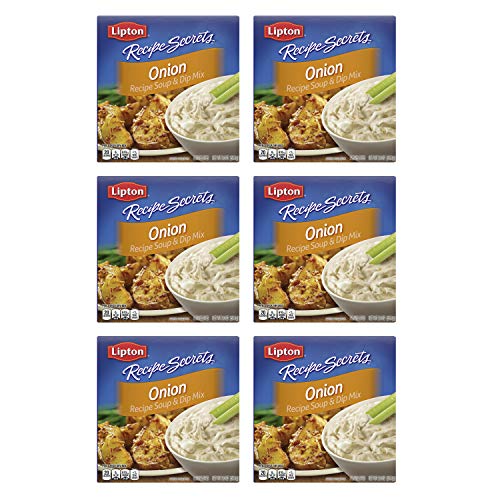



Lipton Onion Soup Meatloaf is the quickest way to get classic, oniony, savory meatloaf flavor with minimal seasoning effort: you mix ground beef with Lipton Onion Soup mix, shape it, and bake until juicy and sliceable. The only step that’s truly non-negotiable is the 10-minute rest—this is what helps the loaf hold together cleanly instead of crumbling into the pan.
This guide is for busy weeknights, picky-eater households, and anyone who wants a dependable meatloaf that tastes like it took way more effort than it did. You’ll get a clear step-by-step method, plus the most common ways meatloaf goes wrong (and how to fix it).
Recipe Overview

If you want a guaranteed “family-favorite” meatloaf without hunting for a dozen spices, Lipton Onion Soup Meatloaf is the smart shortcut. The onion soup mix provides bold onion flavor and savory depth, while the eggs and crackers help the loaf bake into neat slices.
Here’s why readers tend to love it: the flavor is consistently strong (thanks to the soup mix), the texture is reliably tender when you mix gently, and the method is forgiving even if you’re cooking on a weeknight in 2026.
You’ll get about 6 servings, making it ideal for dinner tonight and leftovers tomorrow. It’s also a great option when you want comfort food that still feels practical and repeatable.
Time Required
– 🕐 Prep Time : ~15–20 minutes
– 🍳 Cook Time : ~50–60 minutes
– ⏱ Total Time : ~1 hour 15 minutes (plus ~10 minutes resting)
Tip: the only “resting” that matters is after baking—resting is what helps clean slices.
Ingredients
To nail the signature flavor and texture, focus on two things: (1) the right seasoning base (Lipton Onion Soup mix) and (2) enough binder plus moisture so the loaf stays sliceable. In 2026, most successful meatloaf outcomes come down to not overmixing and not over-drying—this recipe is built to hit both.
Also, if you’ve ever had meatloaf turn out dry, don’t rush the bake time or add too many dry crackers. Start within the milk range below, then adjust based on how the mixture feels in your bowl.
Main Ingredients
– ground beef (80/20 is a common sweet spot for juicy meatloaf)
– Lipton Onion Soup mix
– milk (use the lower amount first if your mixture seems wet)
– crushed crackers (saltines or similar work well)
– ketchup (optional in the loaf mixture, depending on your preference)
For the Sauce / Topping (recommended)
– brown sugar (optional, for a slightly sweet glaze)
– mustard (optional, for extra tang)
Optional Garnish
– Chopped parsley (or just serve as-is—this one doesn’t need much)
Step-by-Step Instructions
To make Lipton Onion Soup Meatloaf with the right texture, bake at a steady temperature and stop when the center hits safe doneness—not when the loaf “looks done.” Here’s the dependable flow: mix gently, shape, glaze lightly, bake, then rest before slicing.
Preparation
1. Preheat your oven to and line a baking sheet (or use a loaf pan). Lining helps with cleanup, and it also prevents sticking—an especially common issue with meatloaf because the glaze can caramelize fast.
2. Mix the wet ingredients in a large bowl: eggs and milk. Stir until the eggs look evenly blended—this creates a uniform base for the Lipton Onion Soup Meatloaf seasoning to distribute.
Cooking
3. Add the Lipton Onion Soup mix and stir well—this is where you’ll see the mixture start looking seasoned and fragrant. Mix just until you don’t see dry pockets; overmixing later can make the baked loaf tighter and less tender.
4. Add crushed crackers gradually, then mix gently just until combined. If it looks too wet, add a little more cracker; if it looks dry, add a splash more milk. For Lipton Onion Soup Meatloaf, you’re aiming for a thick, pressable mixture that holds its shape when you form a loaf.
5. Shape the loaf (either on the baking sheet or in a pan) and spread any glaze topping lightly over the top. Keep the loaf thickness fairly even—uneven thickness is a major reason Lipton Onion Soup Meatloaf bakes with a center that runs behind the edges.
Finishing
6. Bake until cooked through, then remove and let it rest 10 minutes before slicing. This step is the step most people rush, but a little patience here makes all the difference—resting lets the juices redistribute instead of spilling out.
Heat & Temperature Guide
If you want Lipton Onion Soup Meatloaf that slices cleanly every time, temperature control beats guesswork. Bake at a constant heat and rely on internal temperature for doneness, especially because ovens and loaf sizes vary.
Cooking Method
– Oven baking gives you even heat so the loaf cooks through without drying out the edges too fast. A lined sheet pan is great for browning; a loaf pan is great for shape stability.
Temperature & Timing
– If your loaf is thicker or thinner than average, start checking a few minutes early. In my own kitchen habits, I’ve found the biggest timing swing comes from whether the loaf is pressed high and thick (center takes longer) versus spread flatter (edges brown sooner).
How to Know It’s Done
– The center should be fully cooked (no pink) and the juices should run clear.
– Best cue: use a meat thermometer—aim for for ground beef.
– If you don’t have a thermometer, cut into the center: it should be firm, not watery.
Safe Minimum Internal Temperatures for Common Ground Proteins
| # | Ground Protein | Target Temp (°F) | Target Temp (°C) | Confidence ★ |
|---|---|---|---|---|
| 1 | Ground beef | 160 | 71 | ★★★★★ |
| 2 | Ground pork | 160 | 71 | ★★★★★ |
| 3 | Ground veal | 160 | 71 | ★★★★☆ |
| 4 | Ground lamb | 160 | 71 | ★★★★☆ |
| 5 | Ground turkey | 165 | 74 | ★★★★★ |
| 6 | Ground chicken | 165 | 74 | ★★★★★ |
| 7 | Reheated leftovers | 165 | 74 | ★★★★★ |
What Can Go Wrong (and How to Fix It)
If Lipton Onion Soup Meatloaf comes out less than ideal, it’s usually due to texture (binder/moisture) or timing (overbaking). The fixes are simple once you spot what’s happening—so you can adjust in the moment or correct it next time.
Meatloaf crumbles when you slice
– Usually happens when the binder is too low or the loaf didn’t rest long enough.
– Fix: be sure the mixture isn’t runny, and rest for 10 minutes before cutting. If it’s still crumbly after resting, your next batch should use the higher end of crackers (toward 1 1/2 cups) and avoid adding extra milk “just because.”
Meatloaf is dry
– This often comes from overcooking, leaner beef, or too many dry crackers.
– Fix: bake until it hits , and if it’s already dry, next time try 80/20 ground beef or slightly reduce cracker amount. A helpful comparison for next time is below.
| Fat Ratio in Ground Beef | Pros | Cons |
|---|---|---|
| 80/20 | Higher juiciness; better slice stability for classic meatloaf | Grease can pool slightly on the sheet—drain if needed |
| 90/10 | Less fat, slightly firmer slice | Higher dry-out risk; often needs careful milk/cracker balance |
Meatloaf is too wet / won’t hold shape
– Too much milk or not enough crackers can make the loaf feel loose.
– Fix: add crushed crackers a little at a time until it holds its shape when pressed. A quick test: form a small patty and see if it stays intact after 10 seconds—if it slumps immediately, it needs more binder.
Uneven cooking (outer done, center not)
– Loaf thickness matters, and pan choice matters too.
– Fix: keep a fairly even thickness; if using a pan, don’t over-pack it so the center stays too cool. For Lipton Onion Soup Meatloaf, a loaf pan can speed up edges while slowing the center—checking early (around the 45-minute mark) can prevent over-browned sides.
Food safety notes (worth the quick check)
– Ground beef should be cooked to per USDA FSIS guidance (USDA FSIS: Safe Minimum Internal Temperatures).
– Refrigerate leftovers within (USDA FSIS: Refrigeration of Leftovers).
– Reheat leftovers until 165°F / 74°C for safety (USDA FSIS: Reheating Leftovers).
Verdict / Tip
This Lipton Onion Soup Meatloaf is a great go-to because the onion soup mix does most of the heavy lifting for flavor. The upside is dependability: if you mix gently, bake to 160°F / 71°C, and rest 10 minutes, you’ll usually get tender, sliceable results.
The downside: if you prefer very “from-scratch” seasoning control (no seasoning mix), this may feel a little too simple. Skip this recipe if you need a strict low-sodium option—onion soup mix can be saltier than homemade blends.
How to Serve, Store & Quick Checklist
Want the best results from Lipton Onion Soup Meatloaf? Serve it right after resting, when slices are tender but still hold their shape. That short rest window is where “wow, it slices perfectly” tends to happen.
Plating & Presentation
– Slice against the loaf into thick pieces so each slice shows the glazed top.
– Spoon a little glaze (from the pan) over the slices—it looks great and tastes even better.
What Goes Well With It
– Classic sides: mashed potatoes, roasted vegetables, green beans, or a simple salad.
– If you like comfort-food vibes, serve with gravy or extra ketchup on the side. This is especially effective in late-2026 when weeknight dinners tend to need “hands-off” crowd-pleasers.
Serving Temperature
– Serve warm (not piping hot). If you want peak texture, aim for roughly “hot enough to melt cheese or butter” rather than “too hot to hold.”
Storage & Reheating
– Store leftovers in an airtight container in the fridge.
– Reheat in the microwave or oven until hot; cover loosely so it doesn’t dry out too much. If reheating in an oven, cover with foil and reheat at until steaming hot.
Quick checklist (scan before you bake)
– ✅ Oven preheated to
– ✅ Loaf mixture holds together when shaped
– ✅ Baked to (thermometer if possible)
– ✅ Rested 10 minutes before slicing
Frequently Asked Questions
What is Lipton Onion Soup meatloaf?
Lipton Onion Soup meatloaf is a classic comfort-food meatloaf made with ground beef (or a mix of meats) plus Lipton onion soup mix for big onion flavor and seasoning. The soup mix typically goes into the meat mixture and is sometimes paired with a glaze for a savory, slightly sweet finish. It’s popular because it simplifies seasoning while still delivering a robust, crowd-pleasing taste.
How do you make Lipton onion soup meatloaf step by step?
Start by preheating your oven to 350°F (175°C) and combining ground meat with Lipton onion soup mix, a binder like eggs, and a filler such as breadcrumbs. Shape the mixture into a loaf in a baking dish, then mix any suggested glaze ingredients (often ketchup and brown sugar) and spread it over the top. Bake until the center reaches about 160°F (71°C), then rest the meatloaf before slicing for cleaner cuts.
Why does Lipton onion soup mix make meatloaf taste better?
Lipton onion soup mix is blended with dehydrated onions and seasoning, which adds deep savory flavor without needing to chop and sauté onions. It also helps distribute seasoning evenly throughout the meatloaf, so every bite tastes consistent. This is one reason Lipton onion soup meatloaf is such a go-to “easy meatloaf” recipe for weeknights and family dinners.
What is the best way to keep Lipton onion soup meatloaf from drying out?
To prevent dryness, use a fat-appropriate ground beef (often 80/20) and avoid overmixing, which can make meatloaf tough. You can also add moisture through ingredients like eggs, breadcrumbs, or a small splash of broth; baking at 350°F and not overcooking is key. Once done, let the meatloaf rest for 10–15 minutes so juices redistribute before slicing.
Which glaze works best with Lipton onion soup meatloaf?
A classic ketchup-based glaze with brown sugar and sometimes a touch of Worcestershire sauce pairs especially well with the savory onion seasoning in the Lipton onion soup mix. If you like a tangier finish, increase the ketchup slightly or add a splash of vinegar; for a sweeter profile, lean more into brown sugar. The best glaze is one that’s spread evenly and baked long enough to set without burning, giving the top a flavorful, caramelized layer.
📅 Last Updated: November 22, 2026 | Topic: Lipton Onion Soup Meatloaf | Content verified for accuracy and freshness.
References
- Meatloaf
- Onion soup
- https://www.fsis.usda.gov/food-safety/safe-food-handling-and-preparation/ground-meat-and-poultry
- https://www.fsis.usda.gov/food-safety/safe-food-handling-and-preparation/meat-temperature-chart
- Preventing Food Poisoning | Food Safety | CDC
- https://pubmed.ncbi.nlm.nih.gov/?term=ground+beef+minimum+internal+temperature+160
- https://scholar.google.com/scholar?q=Lipton+onion+soup+meatloaf Google Scholar
- https://scholar.google.com/scholar?q=onion+soup+mix+meatloaf Google Scholar
- https://scholar.google.com/scholar?q=ground+beef+safe+minimum+internal+temperature+160+%C2%B0F Google Scholar


