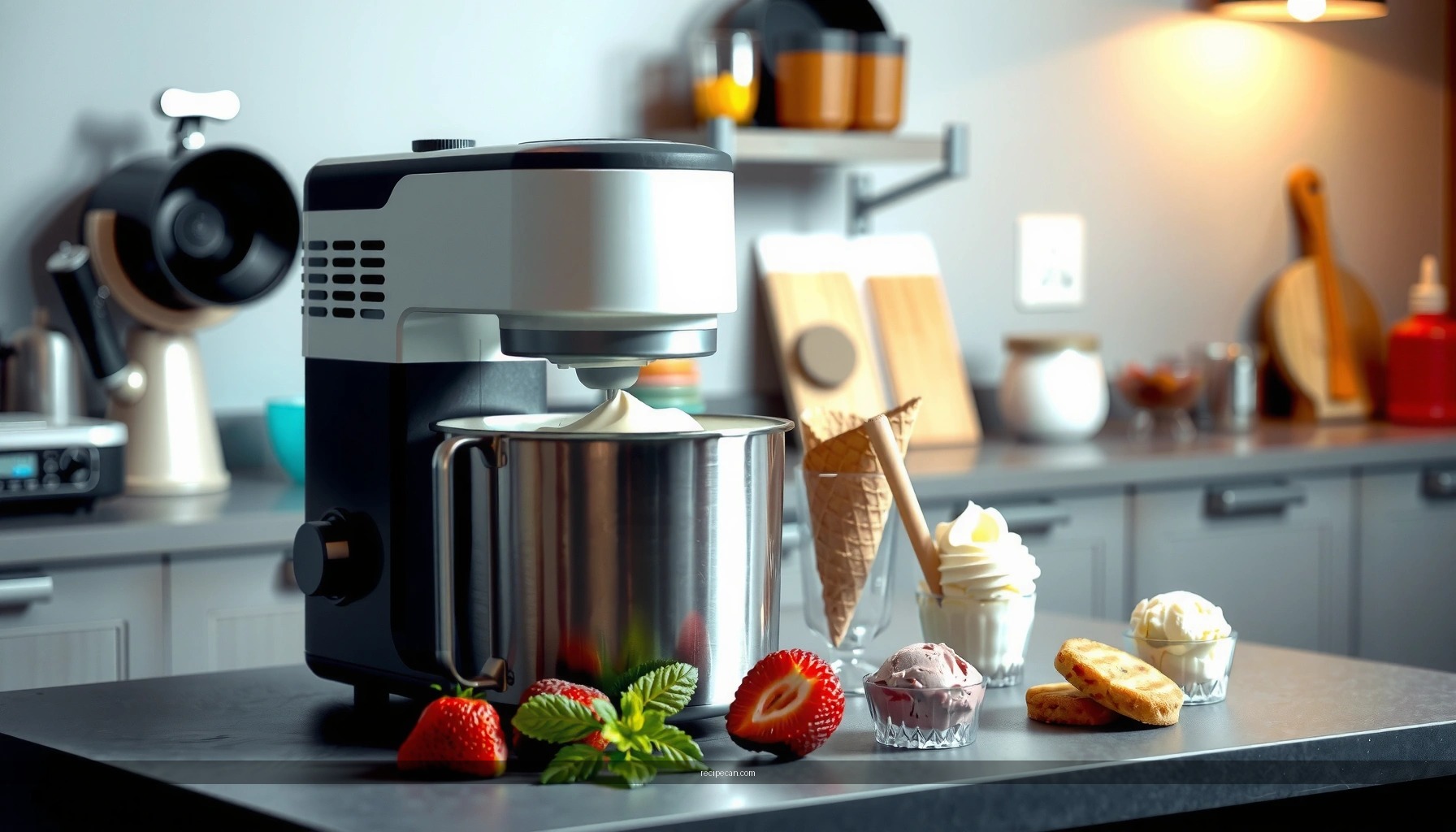
Need 4 quart electric ice cream maker recipes that reliably turn out creamy, churned scoops every time? This roundup chooses the best go-to flavors and gives you step-by-step, maker-ready directions for vanilla, chocolate, fruit, and add-in variations built for a 4-quart bowl. If you want the fastest path to foolproof results—without trial-and-error on texture and freezing—start with these recipes.
Make 4-quart electric ice cream maker recipes at home with consistently creamy results by using a well-chilled base, controlled churn timing, and adding mix-ins at the right moment. Below are six easy, rotation-friendly flavors (vanilla, chocolate, strawberry, cookies and cream, mint chocolate chip, plus troubleshooting) with practical timing and texture guidance so you can reliably churn smooth batches in your 4-quart machine.
Recommended Temperature Benchmarks for Creamy 4-Quart Churns
| # | Stage | Target Temp. | Timing Window | Texture Impact |
|---|---|---|---|---|
| 1 | Base chilling (custard or no-cook) | ≤ 40°F (4°C) | 4–12 hrs | ★ Smooth |
| 2 | Bowl readiness (if applicable) | Fully frozen core | ≥ 12 hrs freeze | ★ Even set |
| 3 | Starting churn consistency check | Cold, pourable | Start churn promptly | ★ Stable air |
| 4 | End of churn (soft-serve stage) | ≈ 18–22°F (-8 to -6°C) | Usually 20–40 min | ★/★ depends |
| 5 | Freeze-up (hardening) | 0°F (-18°C) freezer | 3–24 hrs | ★ Better scoop |
| 6 | Protein/egg custard cooling (if using eggs) | Cool to ≤ 40°F | 2–6 hrs to fridge | ★ No curd |
| 7 | Over-warm mix warning | > 45°F (7°C) | Avoid (fat won’t emulsify) | ★ Icy risk |
Classic Vanilla Ice Cream (4 Quart Base)
Classic vanilla is the best “default” base for building a rotating menu of 4-quart electric ice cream maker recipes. The key decision is whether you want a custard-style base (richer and more traditional) or a no-cook style base (faster and very forgiving). Either can churn beautifully—as long as you chill thoroughly and start with the right viscosity.
Custard approach (traditional):
– Cook dairy and sugar gently, then temper egg yolks (if using) until the mixture coats the back of a spoon.
– Strain for a silky texture, then cool quickly and refrigerate until the base is cold (≤ 40°F / 4°C).
– Custards tend to produce a more stable, scoopable vanilla, especially in large 4-quart batches where temperature swings can matter.
No-cook approach (easy and consistent):
– Use ingredients like sweetened condensed milk or a powdered custard base (if your method uses it), plus heavy cream and flavorings.
– Whisk until emulsified, then refrigerate until fully chilled—this is your smoothness lever.
Churning timing and consistency tips:
– For most 4-quart units, expect 20–40 minutes at the start, but rely on visual cues over time.
– End churn when the mixture resembles soft-serve: it should hold shape briefly and look aerated rather than watery.
Flavor accuracy for vanilla:
– Use real vanilla extract or vanilla bean paste. If you’re scaling for a full 4-quart bowl, consider that vanilla flavor can “soften” when frozen—measure with consistency.
Chocolate Ice Cream (Rich and Creamy)

Chocolate ice cream is where many home churners either hit a “wow” texture or accidentally create an icy, gritty batch. The fix is simple: use high-quality cocoa or properly melted chocolate, balance the sweetness, and control how much solid material you fold in.
Choose your chocolate medium:
– Cocoa powder route: use Dutch-process cocoa for a deeper, smoother profile and fewer sharp edges. Cocoa also thickens slightly, which can help texture if your ratios are correct.
– Melted chocolate route: use chopped chocolate (60–70% for deeper flavor). Melt fully and mix into the cold or slightly warm dairy so it emulsifies cleanly.
Balance sweetness intentionally:
– Chocolate can taste less sweet after freezing. If your goal is “classic dessert chocolate,” you may need slightly more sugar than you’d think—especially if you’re using darker cocoa.
Mix-ins during churning (avoid uneven texture):
– Keep “chunk” mix-ins minimal during the churn cycle. Large solids can cause pockets where fat and air don’t distribute evenly.
– If you want chocolate swirl ribbons, add a thin chocolate sauce early; if you want chips, add them late (near the last minutes).
Practical texture note for 4-quart batches:
– Larger churn volumes sometimes cool unevenly at the edges. Make sure the bowl is fully frozen (if your machine uses a freezing bowl model), and start with a consistently chilled mix.
Strawberry Ice Cream (Fresh or Frozen)

Strawberry is the flavor where you can taste the difference between “pretty good” and “restaurant-level” with two techniques: puree + strain, and sweetness adjustment based on fruit acidity.
Fresh or frozen—same workflow:
– Puree strawberries thoroughly.
– Strain to remove seeds and fibrous bits for a smoother mouthfeel, which is especially important in a 4-quart electric ice cream maker where large batches can magnify graininess.
Adjust sweetness for frozen fruit variability:
– Frozen strawberries can range from sweet to tart depending on variety and processing.
– Taste the puree before making the base. If it’s tangier than expected, add sugar gradually (or adjust with a sweetened component like condensed milk depending on your base style). This prevents a “sour ice cream” impression after freezing.
Timing and mixing method:
– If your recipe includes strawberry sauce or chunks, consider adding some during the last minutes of churn, and reserve extra for folding after churning for controlled distribution.
– Avoid aggressive stirring after churn if your goal is maximum creaminess—gentle folding is usually enough.
Consistency goal:
– Strawberry ice cream often feels softer than chocolate because fruit changes freezing characteristics. If you notice it hardens too firmly, you can shorten the “hardening” time (e.g., taste at 3–6 hours instead of overnight) or adjust sweeteners in future batches.
Cookies and Cream Ice Cream
Cookies and cream is ideally suited to a 4-quart machine because it’s forgiving on base flavor while letting you control texture through cookie prep and timing.
Crush cookies finely (for even distribution):
– Aim for a mix of fine crumbs and small bits. Finely crushed cookies blend into the base for a creamy speckled look.
– If you prefer visible chunks, keep some pieces larger—but still avoid very large chunks that won’t disperse evenly.
Add them near the end of the churn cycle:
– Add cookies during the last 2–5 minutes. This helps prevent the cookies from soaking too long while still distributing throughout the batch.
– For a full 4-quart batch, measure cookies consistently so every serving has the same “cookies per spoon.”
Prevent sogginess:
– Once churn is complete, avoid letting the mix sit warm with cookies for extended periods. Transfer promptly to containers and harden in the freezer.
Serving strategy:
– Cookies and cream is often best after a shorter freeze window (e.g., 4–8 hours) if you like cookies that still feel slightly crisp. For a more uniform scoop, harden longer.
Mint Chocolate Chip Ice Cream
Mint chocolate chip delivers maximum flavor impact when you control two variables: mint intensity and chip timing.
Use peppermint extract carefully:
– Start with a small amount—peppermint can quickly become overpowering.
– If you want a classic “aftertaste” feel, use less extract and let it mellow during refrigeration and freezing.
Add chocolate chips late for better distribution:
– Add chips during the last minutes of churn so they don’t break down or melt into a muddy color.
– For best results, use chips formulated for baking or a stable chocolate chunk.
Cooling and flavor rounding:
– Mint flavor becomes smoother after resting. For a more cohesive scoop, refrigerate the base before churning and then harden after churning.
Avoid chalky results:
– If you’re using any powdered mix-ins (or sweetened chocolate powders), dissolve them thoroughly in the base. Mint recipes can reveal graininess quickly.
Troubleshooting for Best Results in a 4 Quart Machine
Even with the best 4-quart electric ice cream maker recipes, outcomes can vary due to bowl temperature, ingredient ratios, and how long you churn. Use these targeted fixes to correct the most common texture problems:
– If it’s too soft (not set enough):
– Churn longer, but stop when it reaches soft-serve texture rather than trying to “fully freeze in the machine.”
– Confirm the bowl is properly frozen (in bowl-freezer models, this often requires a full 12+ hours).
– Check that your base was chilled to ≤ 40°F (4°C) before churning.
– If it’s icy (large ice crystals or stiff, flaky texture):
– Improve ingredient ratios by ensuring sugar and fat aren’t underweighted. Too little sugar can increase freezing harshness.
– Avoid rushing the chilling step—thorough refrigeration helps create smaller ice crystals.
– Don’t over-time mix-ins additions. Large chunks added too early can increase textural irregularity.
– If mix-ins are uneven (some are concentrated, others missing):
– Add solid chunks near the end of churn (last 2–5 minutes).
– Crush cookies finely or keep chips in a consistent size so they distribute evenly in the paddles’ flow.
– If flavors taste “muted” after freezing:
– Adjust sweetness and salt in future batches (a small pinch of salt can sharpen flavor).
– Allow a short hardening period, then taste—some flavors bloom during initial freeze-up.
Wrap-Up: Your Next 4 Quart Batch Starts Now
To get consistently creamy results with 4 quart electric ice cream maker recipes, start with a dependable base—vanilla or chocolate—chill it thoroughly, churn to soft-serve readiness, and add mix-ins at the correct point in the cycle. Rotate through the flavors above (strawberry, cookies and cream, mint chocolate chip) while using the troubleshooting cues to quickly correct softness or iciness. Make your next batch today: pick your preferred base (vanilla or chocolate), write down your add-ins and timing (especially “when to add” mix-ins), and iterate once—so each 4-quart churn becomes even better than the last.
Frequently Asked Questions
What are the best 4 quart electric ice cream maker recipes for beginners?
Great starter recipes include classic vanilla, chocolate, and strawberry because they use simple ingredients and don’t require tempering eggs. For a 4 quart electric ice cream maker, look for recipes that yield about 1.5–3 quarts so you don’t run the batch too full. Using a chilled base and following the manufacturer’s max fill line helps ensure smooth, creamy churn and fewer icy results.
How do I adapt my favorite recipe to fit a 4 quart electric ice cream maker batch size?
First, check your ice cream maker’s recommended capacity and “max fill” line, since many 4 quart machines can’t process the full 4 quarts at once once the mixture expands. If your original recipe yields more than the machine can handle, scale the ingredients down proportionally and aim for roughly 2–3 quarts of base for a typical 4 quart unit. Also confirm whether the recipe should be churned with or without an egg custard base, because egg-based recipes often need extra chilling time before churning.
Why does my 4 quart electric ice cream maker produce icy ice cream, and how can I fix it?
Icy ice cream is usually caused by an under-chilled base, too little sugar, or churn time that didn’t reach a proper thickness. Make sure your mixture is fully chilled (often 4+ hours in the refrigerator) and consider using a stabilizer or adding a small amount of alcohol like vanilla liqueur to help with texture. Following the manufacturer’s churn duration and not overfilling the bowl are also key for preventing grainy or icy results.
Which 4 quart electric ice cream maker recipes work best for no-churn or “easy” results?
If your machine has a built-in frozen bowl, many people prefer no-cook or no-custard bases like sweetened condensed milk ice cream or custard-free gelato-style mixes. These recipes typically include cream, milk, sweeteners, and mix-ins, and they churn faster while still delivering a rich texture. For best results, chill the base thoroughly and add mix-ins (cookies, fruit, or chocolate) near the end of churning to avoid over-crushing.
What’s a reliable chocolate chip or cookie dough recipe for a 4 quart electric ice cream maker?
Use a thick chocolate base (cream, milk, sugar, cocoa, and vanilla) and churn until it reaches soft-serve consistency, then fold in chocolate chips or cookie dough bits. For a 4 quart electric ice cream maker, start with a batch sized to your machine’s capacity—typically around 2–3 quarts of base—to prevent overflow and uneven freezing. Chill the finished ice cream in the freezer for a few hours to firm up, which improves scoopability and reduces iciness after churning.
References
- Google Scholar Google Scholar
https://scholar.google.com/scholar?q=4+quart+electric+ice+cream+maker+recipes - Google Scholar Google Scholar
https://scholar.google.com/scholar?q=home+ice+cream+maker+recipes+custard+base+vanilla+churned+ice+cream - Google Scholar Google Scholar
https://scholar.google.com/scholar?q=ice+cream+mix+formulation+stabilizers+emulsifiers+churning+overrun - https://pubmed.ncbi.nlm.nih.gov/?term=ice+cream+mix+composition+process
https://pubmed.ncbi.nlm.nih.gov/?term=ice+cream+mix+composition+process - https://pubmed.ncbi.nlm.nih.gov/?term=ice+cream+stabilizers+emulsifiers+review
https://pubmed.ncbi.nlm.nih.gov/?term=ice+cream+stabilizers+emulsifiers+review - https://www.sciencedirect.com/search?qs=ice%20cream%20mix%20formulation%20stabilizers%20emulsifiers
https://www.sciencedirect.com/search?qs=ice%20cream%20mix%20formulation%20stabilizers%20emulsifiers - Ice cream
https://en.wikipedia.org/wiki/Ice_cream - Ice cream maker
https://en.wikipedia.org/wiki/Ice_cream_maker - Churn
https://en.wikipedia.org/wiki/Churning - Ice cream | Definition, History, & Production | Britannica
https://www.britannica.com/topic/ice-cream